Guides
Bearing Replacement or New Washer: A Laundromat Cost Comparison
Commercial washer bearing replacement costs $800-$1,800, so compare repair to a new washer on downtime, parts, and $2.50-$4.00 cycles before deciding.
What to take away
- Commercial washer bearing replacement typically costs an illustrative $800-$1,800 per machine, including parts and labor.
- A new 20-30 lb commercial washer often runs an illustrative $4,000-$9,000 installed, with high-capacity models above $12,000.
- Compare downtime, remaining machine life, parts availability, and warranty, not just the invoice.
- At $3.00 per wash, losing 10 turns per day for a week costs about $210 in gross revenue, which narrows the apparent repair savings.
- Both paths still require preventive maintenance, water hardness control, and load balance.
A failed bearing on a 30-pound front-load washer stops one machine and one revenue stream. Owners face two choices: replace the bearing or replace the washer. The decision depends on more than the repair invoice.
The two options
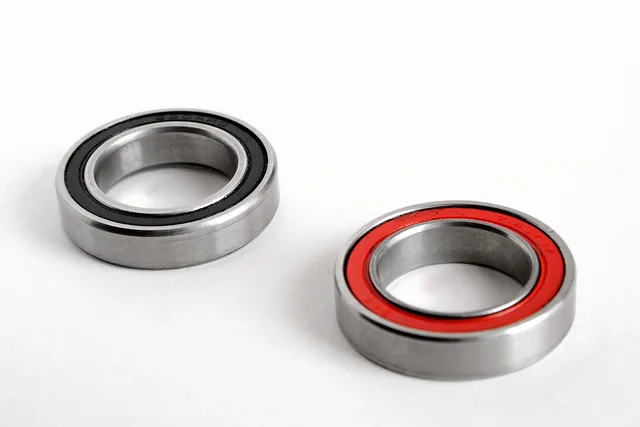
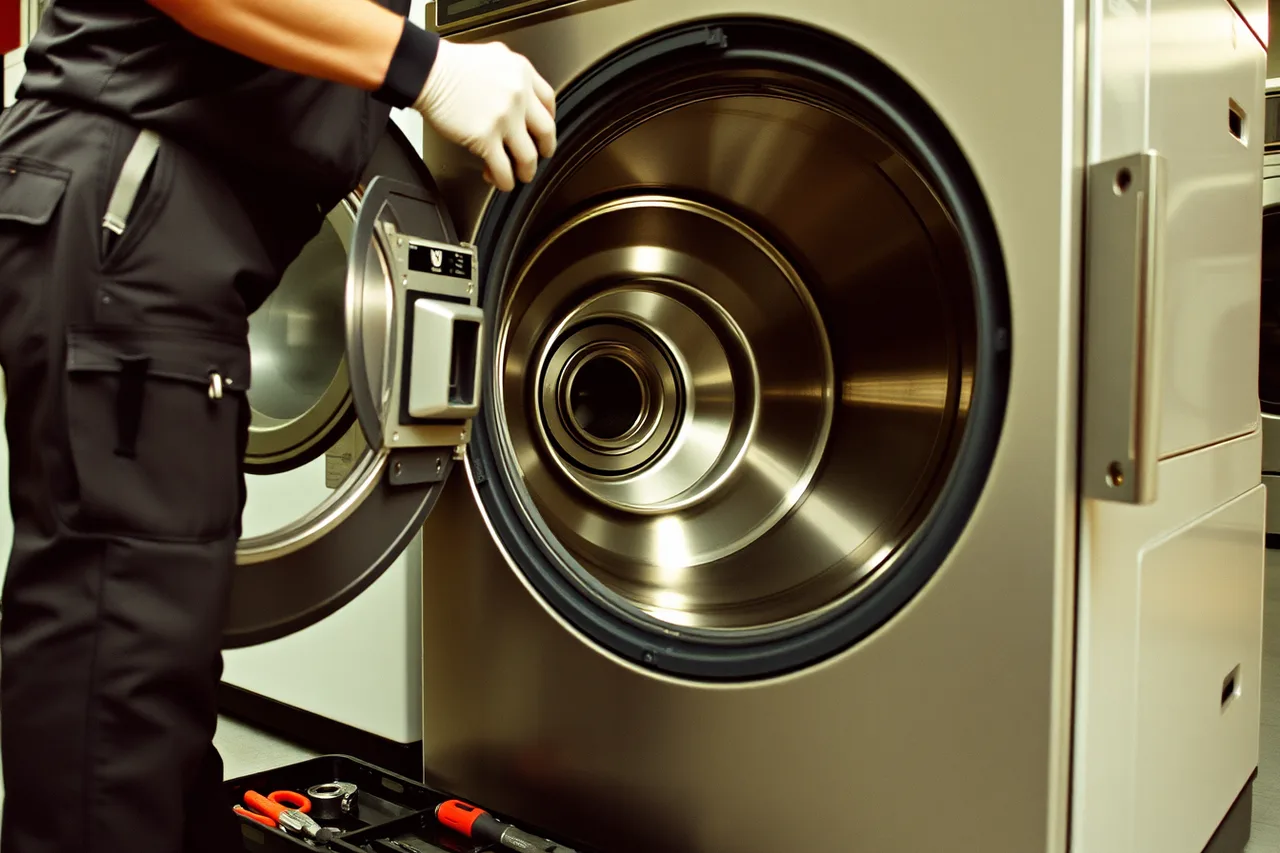
Bearing replacement means removing the outer tub, pressing out the old bearing and seal, installing new parts, and reassembling the machine. It leaves the drum, motor, controls, and frame in place. A new washer replaces the entire unit and typically includes a dealer warranty and current water and energy controls.
Speed Queen, Dexter, Huebsch, and UniMac are common U.S. commercial washer brands. Parts for current Speed Queen and Dexter models are usually available through local distributors. Older or imported machines may wait longer for bearings.
The criteria that matter
Total cost of ownership counts downtime and future maintenance, not just purchase price. Depreciation on a commercial washer runs faster in the first five years, which changes the math.
Repair vs. Replace at a Glance
Bearing replacement
- Upfront cost
- $800-$1,800
- Downtime
- 1-3 days
- Remaining life
- 3-7 years
- Warranty
- 90 days-1 year
- Efficiency change
- None
New washer
- Upfront cost
- $4,000-$9,000
- Downtime
- 2-6 weeks
- Remaining life
- 8-15 years
- Warranty
- 3-5 years parts
- Efficiency change
- May use less
Bearing replacement
- Upfront cost
- $800-$1,800 illustrative
- Downtime
- 1-3 days if parts in stock
- Expected remaining life
- 3-7 years if no other major wear
- Parts availability
- Common for current Speed Queen and Dexter
- Warranty
- 90 days to 1 year on repair
- Efficiency change
- None
New washer
- Upfront cost
- $4,000-$9,000 installed illustrative
- Downtime
- 2-6 weeks for delivery and install
- Expected remaining life
- 8-15 years depending on use and water
- Parts availability
- Dealer network and warranty support
- Warranty
- 3-5 years parts, limited labor
- Efficiency change
- New machines may use less water and energy
Option by option: bearing replacement
Replacing a bearing costs less than a new machine, but the range is wide. For a common 20-30 lb front-load washer, the bearing and seal kit might run $300-$600. Labor adds $500-$1,200 because the outer tub must come out. Total cost is often $800-$1,800, with high-capacity or stacked machines at the upper end.
The repair keeps the machine's existing drum, motor, and controls. If those components are still healthy, bearing replacement can make sense. If the outer tub is cracked or the frame is rusted, the repair may fail early. See repair costs by problem for a fuller breakdown.
Option by option: new washer
A new 20-30 lb washer replaces the bearing and every other wear point. The installed cost is often $4,000-$9,000 for a base model, and $10,000-$14,000 for a high-capacity or high-speed machine. Delivery and installation can take two to six weeks depending on the distributor and site preparation.
New equipment often brings lower water and energy use, better controls, and a multi-year parts warranty. A Speed Queen washer maintenance schedule can help the new machine stay within warranty terms.
Example: three-day downtime at $3.00 per wash
A bearing replacement on a common model may keep the machine down for one to three days if parts are local. A new washer often means two to six weeks from order to install. Use the lost wash cycles to compare.
For an illustrative 30-pound washer that runs 10 turns per day at $3.00 per wash, one day down costs about $30 in gross revenue. A three-day repair outage is about $90. A four-week replacement delay is about $840. These are gross figures before utilities and labor.
Three-day downtime example
- Estimate the machine's turns per day and average vend price.
- Multiply lost turns by price for the expected downtime.
- Add the revenue loss to the repair or purchase quote.
- Compare that total, not just the parts invoice.
A repair that keeps a machine down three days can erase most of its upfront advantage over replacement.
Where each one wins
Bearing replacement is the right answer when the washer is under seven years old, the frame and outer tub are intact, and the parts are in stock locally. It also wins when the owner cannot tolerate a multi-week revenue gap.
A new washer is right when over ten years old, has multiple worn parts, or needs a control upgrade.
It also wins when energy or water savings cut payback below the expected remaining life of the old machine.
If the machine is throwing frequent error codes, check what commercial washer error codes mean before you call a tech.
What none of them solve
Neither bearing replacement nor a new washer removes the root causes of bearing failure: unbalanced loads, hard water, and skipped maintenance. A new machine still needs bearing checks, seal inspections, and proper detergent dosing. Water hardness changes laundromat washer maintenance costs even on new equipment.