Guides
Laundromat Washer Parts Lead Times: What Shapes Them
Laundromat washer parts lead times depend on stock location and model status. Learn what to stock, how to log orders, and how to plan repairs around delays.
Laundromat washer parts lead times depend on where a part is stocked and whether it fits a current or older model. The tiers below are planning cues, not guaranteed delivery dates.
What to take away
- Wait time depends on part tierlocal distributor stock, regional warehouse, and factory direct.
- Belts, hoses, inlet valves, door locks, and drain pumps are the parts to stock first.
- A repair log with order and arrival dates turns lead times into a reorder schedule.
- Schedule maintenance in slow hours and keep one backup washer for each common size.
- Safe repairs need lockout/tagout, electrical checks, and water hardness testing.
Three parts tiers set your wait time
Commercial washer parts do not arrive on one clock. The wait starts with where the part sits in the supply chain.
Parts Tiers and Wait Times
Local distributor
- Parts held
- Belts, hoses, fuses
- Typical wait
- Same day
- Planning move
- Stock two of each
Regional warehouse
- Parts held
- Drain pumps, timers
- Typical wait
- A few days
- Planning move
- Log order date
Factory direct
- Parts held
- Control boards, panels
- Typical wait
- Several weeks
- Planning move
- Plan backup machine
A local distributor may hold belts, hoses, fuses, and some inlet valves. Those parts often leave the counter the same day.
A regional warehouse may hold drain pumps, which can take a few days to reach your route. Door locks and timers may come through an OEM distributor; the table gives a one-to-two-week planning range for those parts.
Factory direct parts are the slow tier. Control boards, transmission parts, and model-specific panels may wait for a production run.
| Part class | Typical source | What owners wait for | Planning move |
|---|---|---|---|
| Belts, hoses, fuses | Local distributor | Same day or next day | Stock two of each |
| Inlet valves, drain pumps | Regional warehouse | A few days | Log order date |
| Door locks, timers | OEM distributor | One to two weeks | Keep one spare |
| Control boards | Factory direct | Several weeks | Plan backup machine |
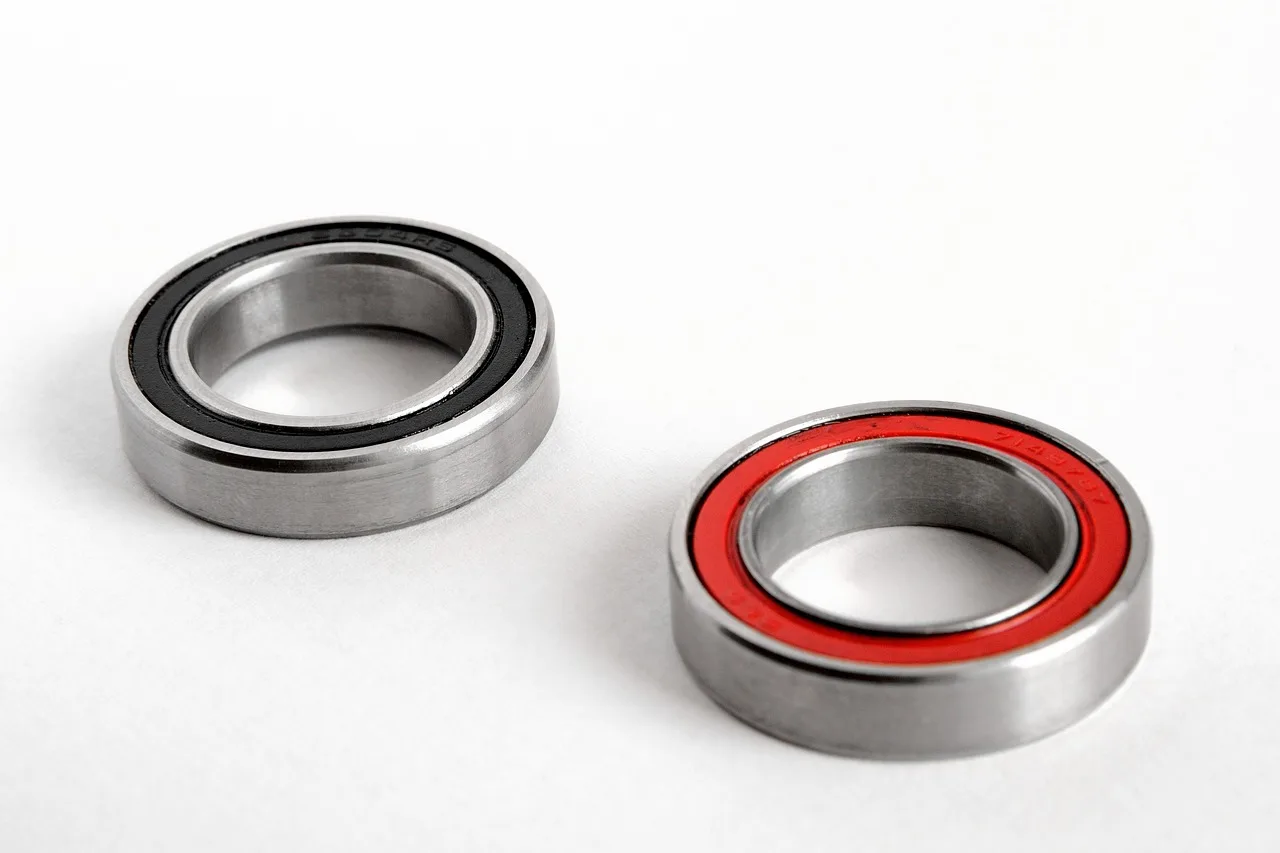
| Bearing kits, transmissions | Factory or rebuilder | A month or more | Compare repair vs replace |
Speed Queen, Dexter, Wascomat, Continental Girbau, Whirlpool Commercial, and Maytag Commercial all use authorized parts networks. Your wait depends on whether your model is current or older.
For older models, a rebuilder may be the only source for a transmission or bearing kit. That adds shipping time and core return rules.
How to schedule upkeep around parts delays
Use a maintenance calendar that starts with the part, not the repair.
- Stock the fast movers firstbelts, hoses, fuses, inlet valves, door locks, and drain pump cartridges.
- Log every part order with the order date, the source tier, and the arrival date.
- Set a reorder point so the next part is ordered before the spare leaves the shelf.
- Schedule repairs in slow hours so a down machine costs the least traffic.
- Keep one backup washer for each common size.
Maintenance Calendar Steps
- List every washer by model and serial
- Sort parts into spare categories
- Stock critical spares like belts and fuses
- Log each failure with order dates
- Review log monthly and raise reorder points
- Train staff to lock out power
A parts log shows which washers create repeat downtime. If one machine keeps throwing the same error code, the part may be a symptom, not the cause.
Example: a control board failure that stops two washers
A 40-pound washer shows an electrical error code. The owner checks the wiring against NFPA 70 and finds a burned connector.
The control board is factory direct. The owner moves the load to a backup washer and tells customers which machines work.
The order waits several weeks. During that time, the owner logs the failure and orders a spare board for the next machine.
A backup washer is cheaper than a lost Saturday. The spare board is cheaper than a second wait.
Cold-climate parts and freeze damage
Freeze damage can create parts demand before winter ends. Unheated back rooms, exposed pipes, and gas valves are common weak points.
For a Canadian location, provincial rules may apply to portable heaters and unheated rooms. Prevent washer freeze damage explains the temperature limits and heater rules that apply.
NFPA 54 and NFPA 58 also matter when gas piping or propane appliances sit in cold spaces. A frozen valve may look like a failed part but need insulation first.
When parts delays affect replacement timing
Before replacing a washer over a delayed part, confirm whether the part is available for the machine’s model and ask the supplier for the current ship estimate. Compare that wait with the repair and replacement decision rather than treating a general tier as a guarantee.
A replacement project can also raise separate site and financing questions; this comparison of Texas and California permits and SBA financing covers those considerations.
Depreciation and repair cost also shape the choice. A 12-year-old washer with a failed transmission may not justify a month-long wait for a rebuilt part.
Water hardness and parts wear
Hard water leaves scale on heating elements, valves, and hoses. That scale can shorten part life and make error codes appear earlier.
Test water hardness before blaming a part for repeated failures.
If hardness is high, add a softener or change your maintenance interval. The part wait may drop when the scale stops forming.
Customer communication during a parts delay
While an order is pending, post which machines are available and give staff a consistent update to share with customers. Clear information helps customers choose another machine while the repair is delayed.
For a separate approach to customer conversations, Laundromat referral habits shows how owners turn one wash cycle into a story and earn more referrals.
If a long wait has you weighing a different machine instead of a part, a look at laundromats to watch worldwide lists the one number to check for each brand, a broader consideration beyond the parts wait itself.