Guides
Winter washer maintenance in Chicago and Minneapolis, freeze protection steps
Winter washer maintenance in Chicago and Minneapolis needs freeze protection steps like line mapping, permits, and thaw recovery for laundromat equipment.
Laundromat washer maintenance in Chicago and Minneapolis is two jobs in one winter: keeping water moving through the building, and keeping up with the permit and code obligations that come with touching the plumbing. Each city freezes on its own schedule and answers to its own office.
What to take away
- Chicago laundromats fail from wind and old plumbing; Minneapolis laundromats fail from duration, because weeks of ground frost beat a line that survived one cold snap.
- In Chicago, altering or extending water supply or drain piping is plumbing work under the Chicago Plumbing Code, Title 18 of the Municipal Code of Chicago, and it needs a permit from the Chicago Department of Buildings before the job starts.
- Minneapolis enforces heat, water and drainage through its Housing Maintenance Code, Chapter 244 of the Minneapolis Code of Ordinances, and a premises complaint can widen to the whole store.
- Supply lines, drain traps and trap primers freeze first, and each needs its own protection step.
- Washer inlet valves, drain hoses and drain pump housings hold water too, so the machines need their own winter routine.
- A freeze event follows a written sequencethaw gently, stop if the line has split, inspect the whole run, document, then claim.
Why the two cities freeze differently
Chicago's problem is usually the building. Many laundromats sit on the ground floor of prewar multifamily blocks where the water service enters through an unheated rear vestibule or a shared basement. Copper that has been patched and rerouted leaves dead legs where water sits and freezes.
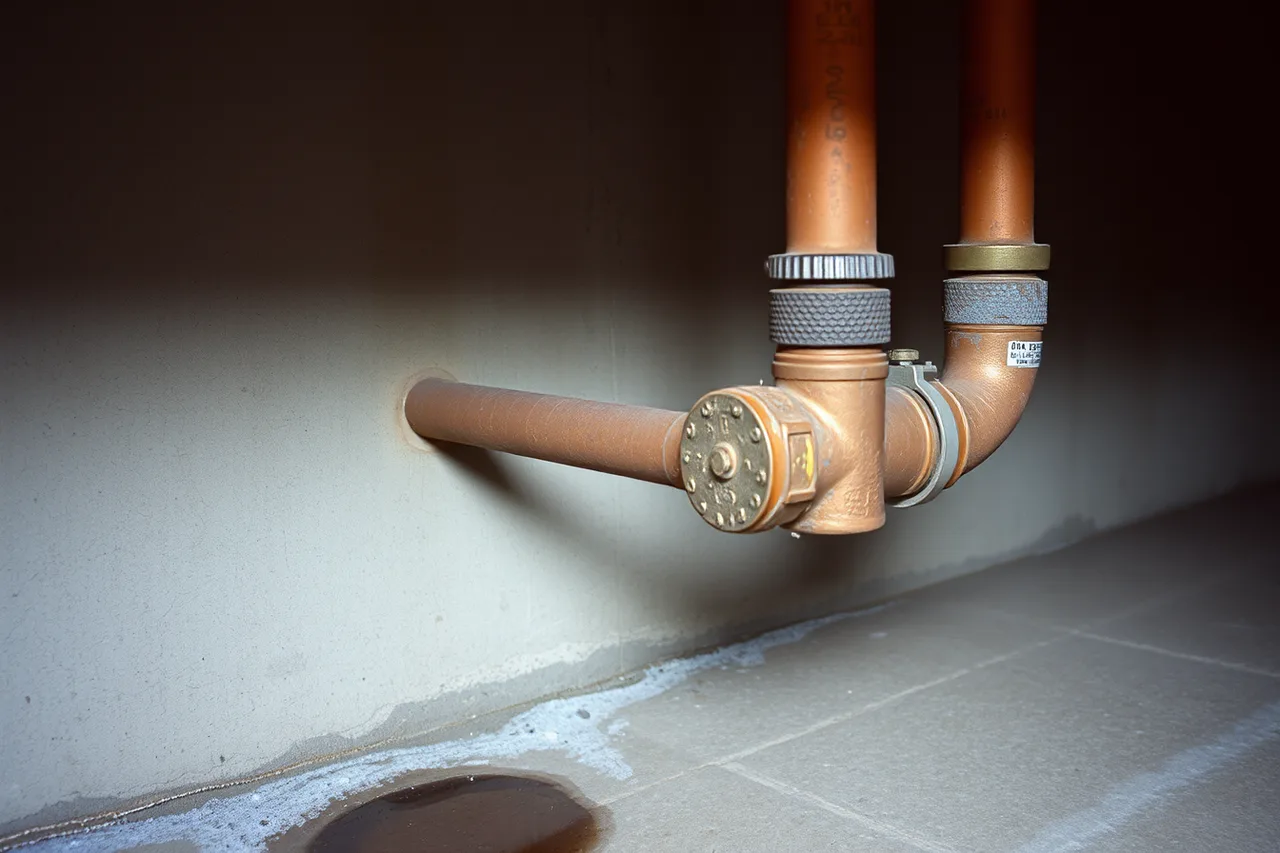
Minneapolis's problem is duration. Cold settles in and stays, so a line that survives one Chicago cold snap can still split after weeks of ground frost. Commercial spaces there are more often served by newer PEX or insulated runs, but exterior wall placement is still common.
Wind matters more than most owners expect. A Chicago storefront with a north-facing wall and a poorly sealed door can freeze a supply line at an air temperature well above the point where Minneapolis equipment in a sheltered mechanical room would be fine.
The freeze record for both cities is public, so there is no reason to guess. NOAA's National Weather Service publishes daily and monthly climate summaries for Chicago and Minneapolis, NOAA's National Centers for Environmental Information keeps the longer record in its Climate at a Glance tool, and NOAA's Climate Prediction Center publishes the seasonal outlooks. Pull your city's first-freeze dates and coldest overnight lows from those, then set your own trigger temperatures against them.
Rental density drives demand in both cities. Minneapolis's rental market keeps laundromats busy through winter, and Chicago's older multifamily stock pushes tenants out of buildings with unreliable hot water. Your busiest weeks and your highest freeze risk arrive together.
Chicago permits and inspections for plumbing work
Any work that alters, replaces or extends the water supply or drain piping in a Chicago laundromat is plumbing work under the Chicago Plumbing Code, Title 18 of the Municipal Code of Chicago, and plumbing work needs a permit from the Chicago Department of Buildings. The Chicago permits page is the department's own application route: it lists what a plumbing permit application needs, including the plans and line drawings, and the department's current fee schedule. Fees are priced by the scope of the work rather than one flat number, so confirm the figure for your job when you file.
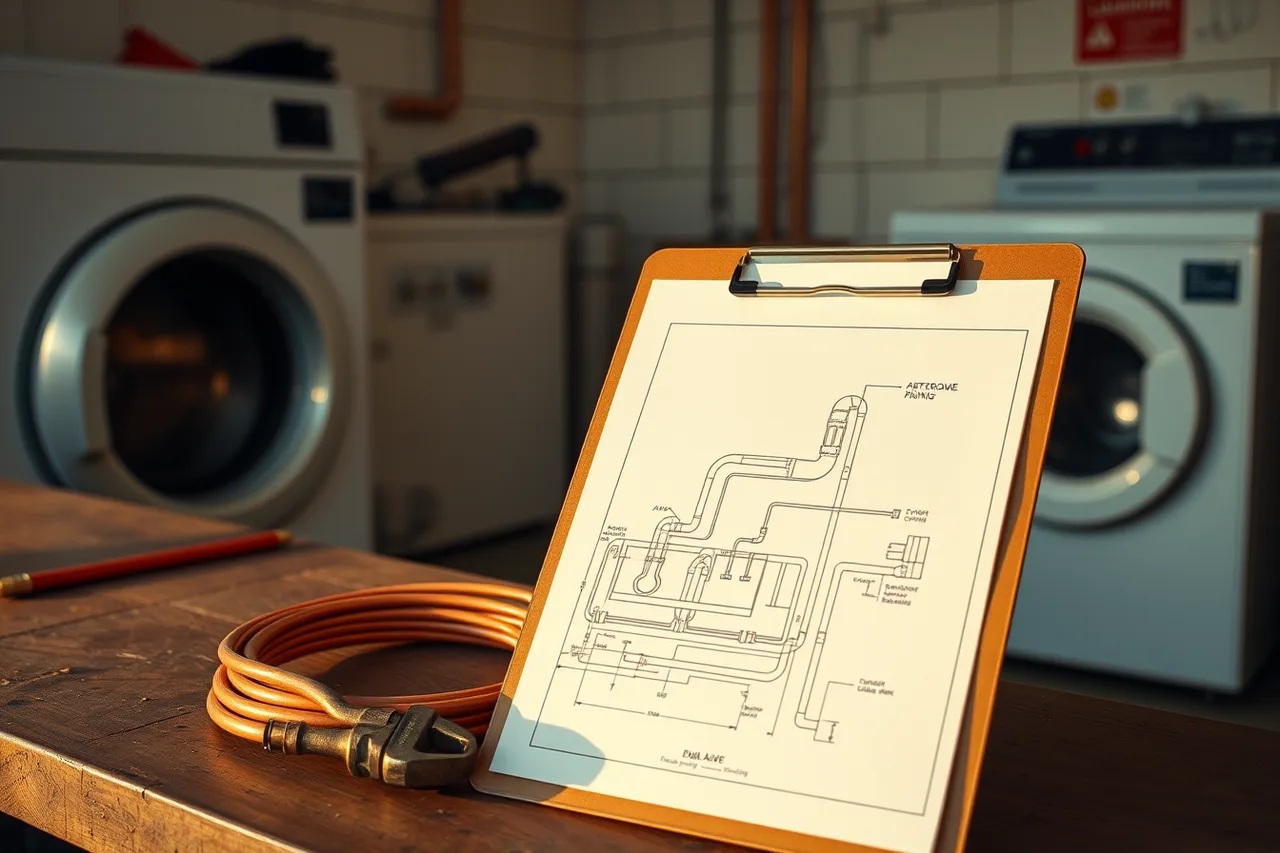
Do not treat a freeze repair as exempt. Replacing a burst section of copper is a repair, but adding heat trace, rerouting a line or installing a new shutoff is an alteration. Pull the permit before the work, not after the inspection fails.
Inspections run alongside licensing, and the two come from different offices. The Chicago Department of Buildings inspects permitted plumbing work, and the store's business license runs through the Chicago Department of Business Affairs and Consumer Protection. Keep both sets of records current, because a clean plumbing inspection does not settle a licensing question.
A permit application that includes the freeze-protection scope up front moves faster than one amended mid-job. Attach the line drawing, the heat trace specification and the shutoff valve locations in the first submission. Expect two inspections on a plumbing permit: a rough-in sign-off before the new pipe is covered, and a final once the work is complete.
Keep the paperwork with the equipment records. Your compliance checklist should list the permit number, the inspection date and the contractor license for every plumbing job, because a future sale or insurance claim will ask for them.
Minneapolis property maintenance rules for laundromat premises
Minneapolis regulates premises condition through its Housing Maintenance Code, Chapter 244 of the Minneapolis Code of Ordinances, enforced by the City's Regulatory Services Department. The Minneapolis Housing Maintenance Code is the reference to read before you decide a repair can wait until spring.
Heat is the core requirement. A laundromat that loses heat in a tenant-adjacent building can draw a premises complaint even when the washers themselves are running. Water in a pipe freezes at 32 °F, so keep the mechanical room well above freezing and keep a logged temperature record.
Water supply and drainage are both covered. A slow drain that backs up in January is a premises condition issue, not just an equipment issue, and it can pull an inspection that widens to the whole store.
Exterior upkeep counts. Ice on the entry, a blocked rear service door and an unlit loading area all fall under premises maintenance. In Minneapolis those conditions persist for months, so schedule salting and lighting checks rather than reacting.
Build the code expectations into your routine. A daily SOP checklist that includes mechanical room temperature, drain speed and exterior ice gives you a defensible record if a complaint arrives.
Freeze protection, step by step
- Map every line. Walk the store and mark each supply run, drain run and trap on a floor plan. Note which ones sit against an exterior wall or in an unheated chase.
- Seal the envelope first. Air sealing and door sweeps are cheaper than heat trace and they remove most of the risk. Close off unused exterior vents and repair failed caulk at penetrations.
- Insulate supply lines. Use closed-cell pipe insulation sized to the pipe, and seal every joint. Insulation slows heat loss; it does not replace heat.
- Add heat trace where insulation alone fails. Self-regulating cable on exterior-wall runs, on the main shutoff and on any dead leg, with the thermostat set above freezing.
- Protect drains and traps. Drain lines freeze at the trap and at any low point where water stands. Add trap primer protection or a freeze-rated trap, and keep the drain warm.
- Install and label shutoffs. A labeled isolation valve on each bank lets you stop one leak without killing the store.
- Winterize the washers, not just the pipes. The washer parts that hold water are the ones that split: inlet valve solenoids and screens, pressure switch tubing, drain hoses and drain pump housings. Close the inlet valve at the wall on each machine at the end of the night, and check those parts on every washer that sits against an exterior wall. On coin-op machines, keep the coin drop, timer and card reader in heated space.
- Set the trigger, then verify on a cold morning. Water freezes at 32 °F, and a run in an exterior wall reaches that while the store itself still feels warm, so schedule from the forecast low rather than the current temperature. Then check pipe surface temperature, not air temperature, at the coldest point of the run.
Use this as a pre-season checklist:
- Every supply line mapped and tagged
- Exterior penetrations sealed and door sweeps replaced
- Closed-cell insulation installed on all exposed runs
- Heat trace tested and thermostat verified
- Trap primers and low-point drains checked
- Isolation valves labeled and exercised
- Washer inlet valves closed at close, drain hoses drained
- Drain pump housings and inlet screens checked for standing water
- Mechanical room thermometer logged daily
Parts stock should match the plan. Keep spare heat trace, insulation sleeves, fittings and a torch kit on site, because the week you need them is the week suppliers are backed up. The equipment checklist is a reasonable place to record what you hold.
Staffing and demand through the cold months
Cold weather moves wash volume indoors. When a Chicago or Minneapolis building loses hot water or a tenant's in-unit hookup freezes, tenants carry loads to a laundromat. Seasonal demand peaks in the same weeks your equipment is under the most stress.
Use the freeze record to set two dates on the calendar: the day you complete freeze protection, and the day you move to winter staffing. NOAA's Climate Prediction Center seasonal outlooks and the local National Weather Service climate records let you plan the ramp instead of absorbing it.
Staffing should shift toward coverage, not headcount. Add hours at the open and close of day, when doors are propped and the store loses heat fastest, and keep one person trained on the shutoff locations.
Heating cost is the other winter number. Track gas and electric use per wash week so you can see whether a cold month is costing more because of volume or because of a failing unit heater.
Your operations and workflow plan should name who checks the mechanical room, who calls the plumber and who authorizes an emergency repair. Decide that before a pipe fails at 6 a.m.
After a freeze: thaw, inspect, document
Thaw safely. Open the nearest faucet, then apply gentle heat to the pipe with a heat gun on low, a hair dryer or warm towels. Never use an open flame, and never pour boiling water on a frozen line.
Stop if you see a split. If the pipe has already burst, shut the isolation valve and stop thawing. Thawing a burst line just releases the water into the room.
Inspect the whole run, not the failed section. Freeze damage often shows up at joints and fittings a few feet from where the ice formed. Check the washer inlet screens, the pressure switch tubing and the drain pump housing too.
Document everything. Photograph the failed pipe, the room temperature log, the repair invoice and the downtime hours. Insurers and lenders ask for a sequence, not a summary.
SBA disaster assistance offers low-interest relief loans to small businesses after a declared event, and the SBA disaster assistance page explains eligibility and how to apply. Most freeze damage is not a declared disaster, so read your commercial policy first.
Record the fix in your licensing and compliance file with the permit number if plumbing was altered, then update the freeze protection plan with what actually failed.
Common questions
Does a frozen washer line always mean a burst pipe?
No. Many lines freeze, block flow and thaw without splitting. The risk rises with repeated freeze cycles, which is why Minneapolis owners should treat every freeze as a warning.
Can I do the freeze protection work myself in Chicago?
Insulation, air sealing and heat trace on existing accessible lines are usually within an owner's scope. Any alteration to the water supply or drain piping is plumbing work and needs a permit and a licensed contractor.
How early should freeze protection be finished?
Finish before the first hard freeze in your area, not after. In both cities that means completing the checklist in early autumn, then verifying on the first cold morning.
Will my insurance cover freeze damage?
Many commercial policies cover sudden freeze damage but exclude it if the building was unheated. Photograph your heat records and read the exclusions before you need them.