
Guides
How to Keep Commercial Washer Drains Clear in a Laundromat
Commercial washer drain cleaning in a laundromat demands a clear trap, open vent, and mechanical clearing. Use a numbered sequence and checks to stop lint and scale.
What to take away
- Lint and detergent paste, not just hair, clog commercial washer drains.
- The vent stack is the step that decides the resulta clear trap still drains slowly if the vent is blocked.
- A wet/dry vacuum and a 1/4-inch drum auger handle most floor drain backups.
- Stop and call a licensed plumber if water backs up after two auger attempts or if you see black water.
Commercial washer drain cleaning in a laundromat starts with knowing where the water goes.
Before You Touch the Drain Line
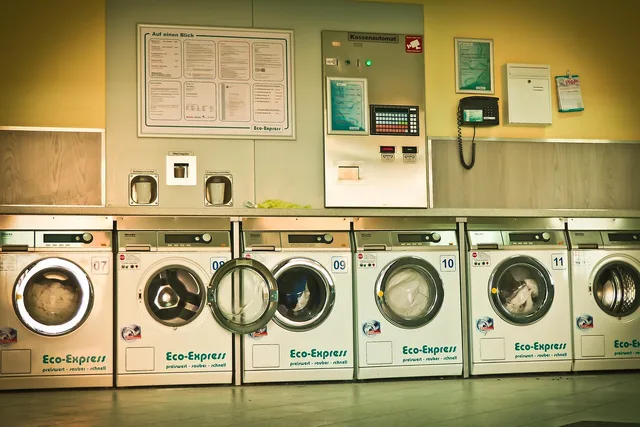
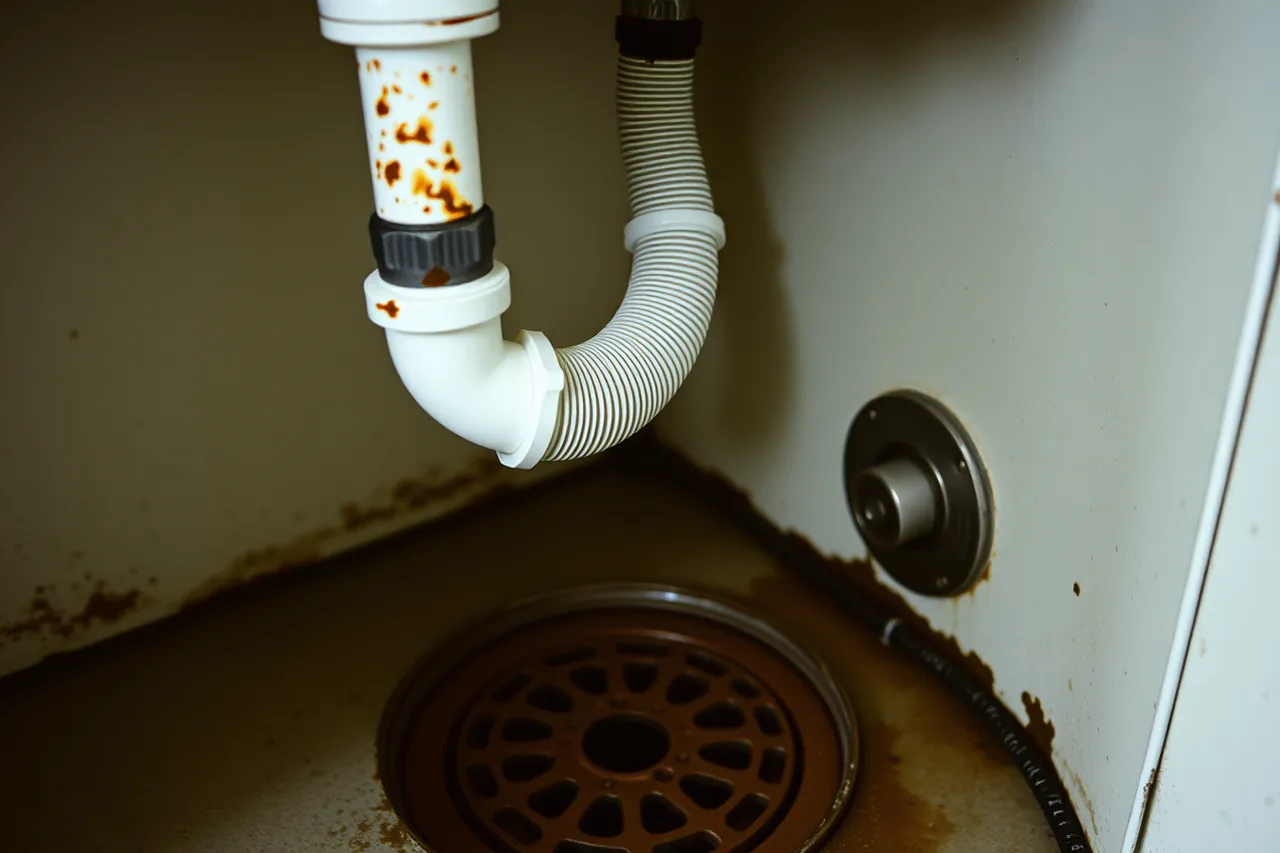
A multi-unit plumbing system has shared floor drains, traps, cleanouts, and vent stacks. Each washer drain hose ties into a branch line, and that branch serves several machines. When one trap is missed, lint travels downstream and packs into the smallest bend. Hard water makes the paste worse; detergent binds with calcium and magnesium, forming a scale that narrows the pipe before lint even arrives. You need a clear path from the washer drain hose to the building sewer. Look for a main cleanout near the last washer before the sewer line. Most commercial laundries have one, and it is the best access for a drum auger. Before the first step, know your local code's required cleanout locations and confirm the drain system has no hidden low spots.
The Step-by-Step Clearing Sequence
- Turn off the washer at its disconnect and close the supply valves.
- Disconnect the drain hose and place the end in a catch pan.
- Pull the machine lint filter and scrape it with a stiff brush.
- Insert a flexible hook into the drain opening and pull out matted lint.
- Pour a 5-gallon bucket of hot water into the drain opening and watch the floor drain.
- Reconnect the hose, open valves, and run a short drain cycle.
During the hot water flush, watch for water rising at any neighboring floor drain. That rising water tells you the clog sits in the shared branch, not in the single washer. Cold-climate owners should also review freeze protection steps before winter, because a frozen trap stops this sequence.
The Step That Decides the Result: Vent Check
After the hot water flush, if water still stands, the deciding check is the vent stack. Remove the vent cap or open the accessible vent cleanout, then run a small amount of water through a hose. A clear trap but blocked vent causes gurgling and slow drainage. If the water level does not drop within 30 seconds, suspect the vent. You can test the vent by holding a piece of tissue over the open vent cleanout; if the tissue does not move, the vent is blocked. For owners whose water is hard, Hard water and washer upkeep explains how to treat scale before it coats the vent pipe.

How to Confirm Each Step Worked
| Step | What to check | Pass condition |
|---|---|---|
| Lint filter removal | Filter surface | No visible lint mat or soap film |
| Hot water flush | Floor drain flow | Water runs clear within 30 seconds |
| Short drain cycle | Washer drain hose | No water backs up at the hose connection |
The table gives you a pass condition for each numbered step. If a check fails, move to the recovery below.
When a Step Goes Wrong: Standing Water
A slow floor drain is not always a clogged trap. It often points to a blocked vent stack.
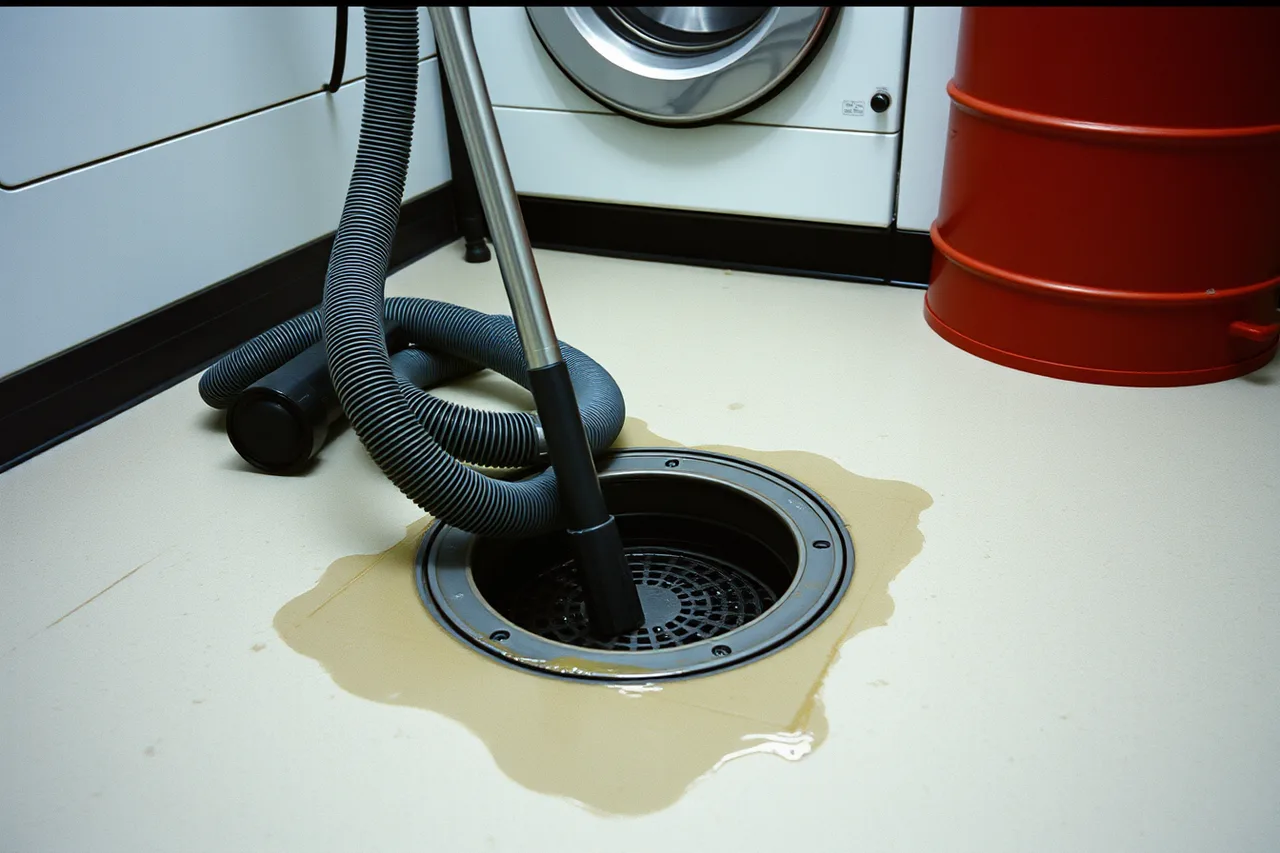
If the floor drain still holds water after the hot water flush, the usual cause is a blocked vent or clogged downstream branch. Vacuum the standing water with a wet/dry vacuum.
Remove the cleanout plug. Run a 1/4-inch drum auger through the branch line. Rotate it slowly and pull back the cable to clear the lint plug. Reassemble and repeat the hot water flush.
When to Stop and Hand It to a Professional
Stop and call a licensed plumber if the drain still backs up after you have run a hand auger through the cleanout twice. Also stop if any washer discharge pushes water up through a neighboring floor drain, if you smell sewer gas, or if you see black water. Do not keep adding chemical drain cleaner. Before opening any pump access panel, check the OSHA and NFPA compliance checklist for required lockout steps.
Common questions
How often should I clear a commercial washer drain? Clear it when lint is visible at the screen or when the floor drain slows. Keep a log of each cleaning and inspection. Can I use chemical drain cleaner in a laundromat drain? Avoid caustic cleaners in commercial drains; they can damage PVC and create fumes. Use mechanical clearing with a hook and auger. Why does one washer cause another to back up? The shared branch line is clogged downstream, and water follows the lowest opening. Clear the branch cleanout rather than just the single machine. What does a slow floor drain with no visible clog mean? It usually means a blocked vent stack or a partially closed trap. Check the vent before replacing pipe.
For operators tracking drain work, Coin Laundry Association benchmarks describes how other owners schedule inspections.