Guides
Hard water and washer upkeep from Phoenix to Minneapolis
Phoenix laundromats fight scale on heating elements, while Minneapolis machines face freeze damage. Here are descaling and winterization schedules for both.
What to take away
- Phoenix scale and Minneapolis ice are different failures with different schedules: chemistry and softeners in Arizona, insulation and heat in Minnesota.
- Descale on tested grains per gallon, not on an annual habit. Above 7 gpg, plan for scale control; above 10, price a softener upstream of the machines.
- A coated heating element runs longer to reach temperature, so you pay at the meter and again at the early failure.
- Winterize before the first hard freeze, then inspect monthly through spring thaw. Most freeze damage happens to lines that routine maintenance never touches.
- A dated log is what turns maintenance into something you can hand a lender, an insurer or a buyer.
Reading Phoenix hardness from the city water report
Phoenix blends surface water and groundwater, and the mix shifts with monsoon runoff and summer demand. Hardness is not one number for the whole city.
Pull the report for the pressure zone serving your address, not the citywide average. A store on a groundwater-heavy line can run several grains harder than one fed by treated surface water.
The Water Services Department | City of Phoenix publishes current hardness ranges, total dissolved solids and the annual water quality report by zone.
Hardness shows up as milligrams per liter or grains per gallon. Grains per gallon is the number that matters here: it tells you how much scale a given volume of water will leave behind.
Above roughly 7 gpg, treat the water as hard. Above 10, scale control becomes a line item rather than an afterthought. Phoenix routinely sits in that range.
The EPA's Water Topics | US EPA page explains the framework local utilities work within, including the contaminant and treatment issues that affect commercial users.
Test at the fill valve monthly with a kit. A yearly city report smooths out the seasonal swings your machines actually see.
What scale does to valves, hoses and elements
Scale is calcium and magnesium carbonate dropping out of hot water. It settles on hot surfaces, which is where the machine does its most expensive work.
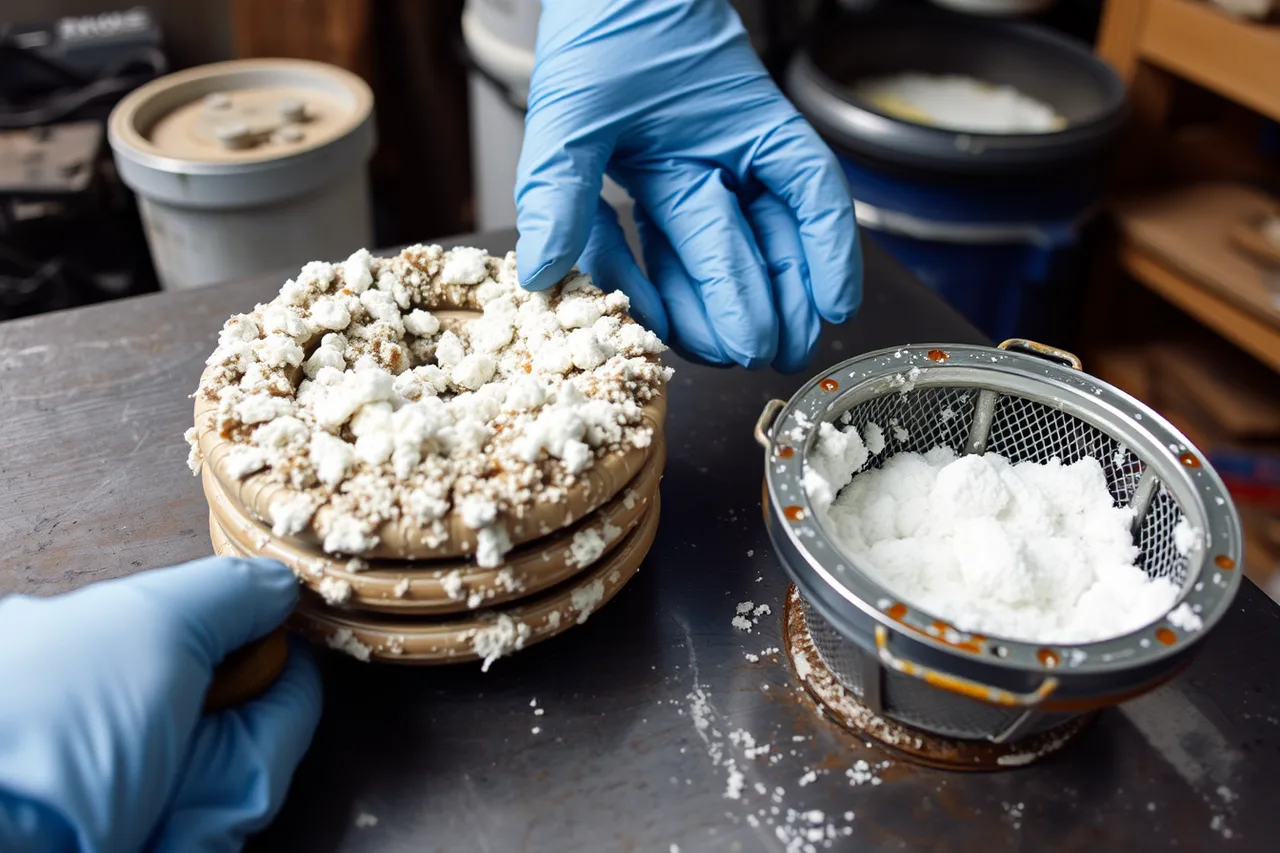
A coated element runs longer to reach temperature, drawing more current for more minutes on every cycle. You pay at the meter, then again when the element fails years early.
Inlet screens and valves clog gradually. Flow drops, fill times stretch, and the machine may time out or underfill. An underfilled washer cleans poorly and gets blamed on detergent.
Hoses and pump housings collect scale in low-flow pockets. The deposit itself rarely fails; the crack that opens around a scaled fitting does.
Hard water also consumes the builder in your detergent before it can lift soil. You either dose higher or accept duller results, and both cost money.
The Energy Information Administration tracks how commercial equipment uses energy and where efficiency gains come from. Its Consumption & Efficiency - U.S. Energy Information Administration (EIA) data helps when you weigh descaling against replacement.
If you are still specifying machines, the equipment checklist covers the parts that fail first under hard water, including valve and element design.
A descaling schedule for a Phoenix store
This assumes a store open 12 to 16 hours a day with a mix of top-load and front-load commercial units. Shorten the intervals if your tested hardness runs above 12 gpg.
A descaling schedule
- Test hardness at the fill valve the first Monday of each month and log the result beside the machine ID.
- Flush inlet screens and check valve flow every 30 days; replace any screen showing white crust.
- Descale heating-element machines every 60 to 90 days with a citric or phosphoric acid descaler rated for commercial laundry.
- Run a descaling cycle on hot-fill washers quarterly and on cold-fill machines every six months.
- Inspect hoses, clamps and pump housings at every descale, and replace hoses annually regardless of appearance.
Descaling does not replace water treatment. If Phoenix hardness stays high, a softener upstream of the machines cuts descaler use and extends element life further than any cleaning routine.
Budget the chemistry. A year of descaler costs far less than one element or valve replacement across a bank of machines, and it keeps cycle times predictable.
When you plan capital spending, weigh treatment and descaling against replacement using the new against used breakdown for your machine class.
Log every descale in the same book as your daily SOP checklist, so a missed interval surfaces before a machine does.
Minneapolis freeze risk and pipe exposure
The two cities sit at opposite ends of freeze risk. Phoenix lines never need draining against ice; Minneapolis lines do for months at a time.
The National Oceanic and Atmospheric Administration publishes seasonal outlooks and climate data, so you can plan around the freeze window instead of reacting to it. Its Weather | National Oceanic and Atmospheric Administration resources give local freeze timing.
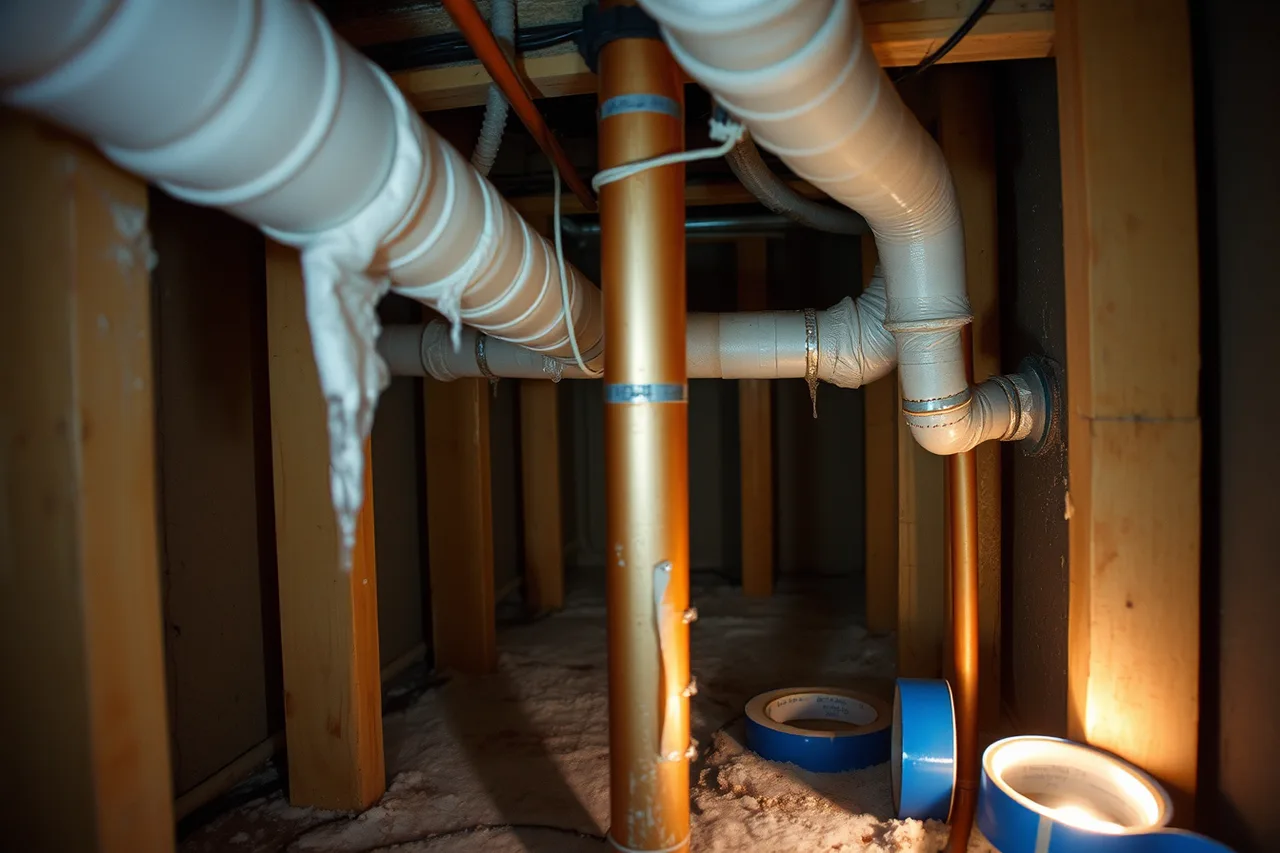
Minneapolis sees hard freezes from late fall into early spring, with sustained subfreezing stretches that drive frost deep into the ground. Any line in an exterior wall, crawl space or unheated vestibule is exposed.
Laundromats run water constantly, which helps and hurts. A slow drip keeps a line moving; a line that sits idle overnight in a cold chase freezes and splits.
The City of Minneapolis enforces premises upkeep through its property maintenance rules. The Property Maintenance - City of Minneapolis page sets out owner obligations, including keeping plumbing and heating in safe working condition.
That matters for insurance and inspections. A burst line that floods a neighboring unit is a premises problem, and the fix is expected to have been preventive.
Minneapolis also has a deep rental market, so laundromats stay busy through winter. Downtime during a cold snap lands at the exact time demand peaks.
Winterization steps for Minneapolis lines
Run this before the first hard freeze, then repeat the inspection monthly through spring.
Winterization steps
- Walk every water line and mark each run passing through an exterior wall, crawl space, attic or unheated chase.
- Insulate exposed supply and drain lines with closed-cell pipe insulation, and add heat tape on any run you cannot keep above freezing.
- Seal gaps around penetrations where cold air reaches plumbing, including sill plates and vent openings.
- Confirm the mechanical space stays above freezing overnight; a monitored thermostat with an alarm costs less than a repair.
- For any machine idle more than a day, shut the supply valve and run a short blow-down or drain cycle.
- Check drain traps and pump housings for standing water that can freeze and crack a casting.
- Keep a written winterization log with dates, temperatures and repairs made.
Heating belongs in the maintenance budget, not a separate line. A cold store freezes lines; an overheated one wastes money. Hold the mechanical space just above freezing and leave the setting there.
If you are reviewing the whole operation before winter, the operations and workflow guide shows how to fold seasonal tasks into the weekly routine without disrupting service.
Keep a compliance checklist for the premises and safety items inspectors and insurers ask about. Freeze damage usually surfaces during a broader review.
Two cities, two calendars
Phoenix and Minneapolis need different recurring tasks. Set the table below, then adjust intervals to your tested hardness and your actual freeze exposure.
Phoenix interval
- Test water hardness at fill valve
- Monthly
- Flush inlet screens and check valves
- Every 30 days
- Descale heating elements
- Every 60 to 90 days
- Inspect hoses and pump housings
- At every descale
- Insulate and inspect exposed lines
- Not applicable
- Check space temperature
- Seasonal
- Replace hoses
- Annually
Minneapolis interval
- Test water hardness at fill valve
- Quarterly
- Flush inlet screens and check valves
- Every 60 days
- Descale heating elements
- Every 6 months
- Inspect hoses and pump housings
- Monthly in winter
- Insulate and inspect exposed lines
- Before first freeze, then monthly
- Check space temperature
- Daily in winter
- Replace hoses
- Annually
Phoenix operators spend on chemistry and water treatment. Minneapolis operators spend on insulation, heat and inspection time. Both spend less than an emergency repair costs.
The common thread is the log. What you did, and when, is what makes the schedule defensible to a lender, an insurer or a buyer.
Common questions
How often should I descale commercial washers in Phoenix?
Every 60 to 90 days for heating-element machines, and quarterly to semiannually for cold-fill units. If tested hardness runs above 12 gpg, shorten the interval and add a softener.
Does Minneapolis need a winterization schedule separate from normal maintenance?
Yes. Freeze damage is seasonal and preventable, and it strikes lines that routine maintenance never touches. A pre-freeze walkthrough plus monthly checks through spring is the minimum.
What hardness number should trigger water treatment?
Treat anything above roughly 7 gpg as a signal to plan descaling, and above 10 as a reason to install or upgrade a softener upstream of the machines.
Who enforces premises upkeep in Minneapolis?
The City of Minneapolis enforces property maintenance rules covering safe plumbing and heating systems, which is why freeze prevention is an owner obligation rather than a repair preference.