Guides
Measuring service quality in a laundromat owners
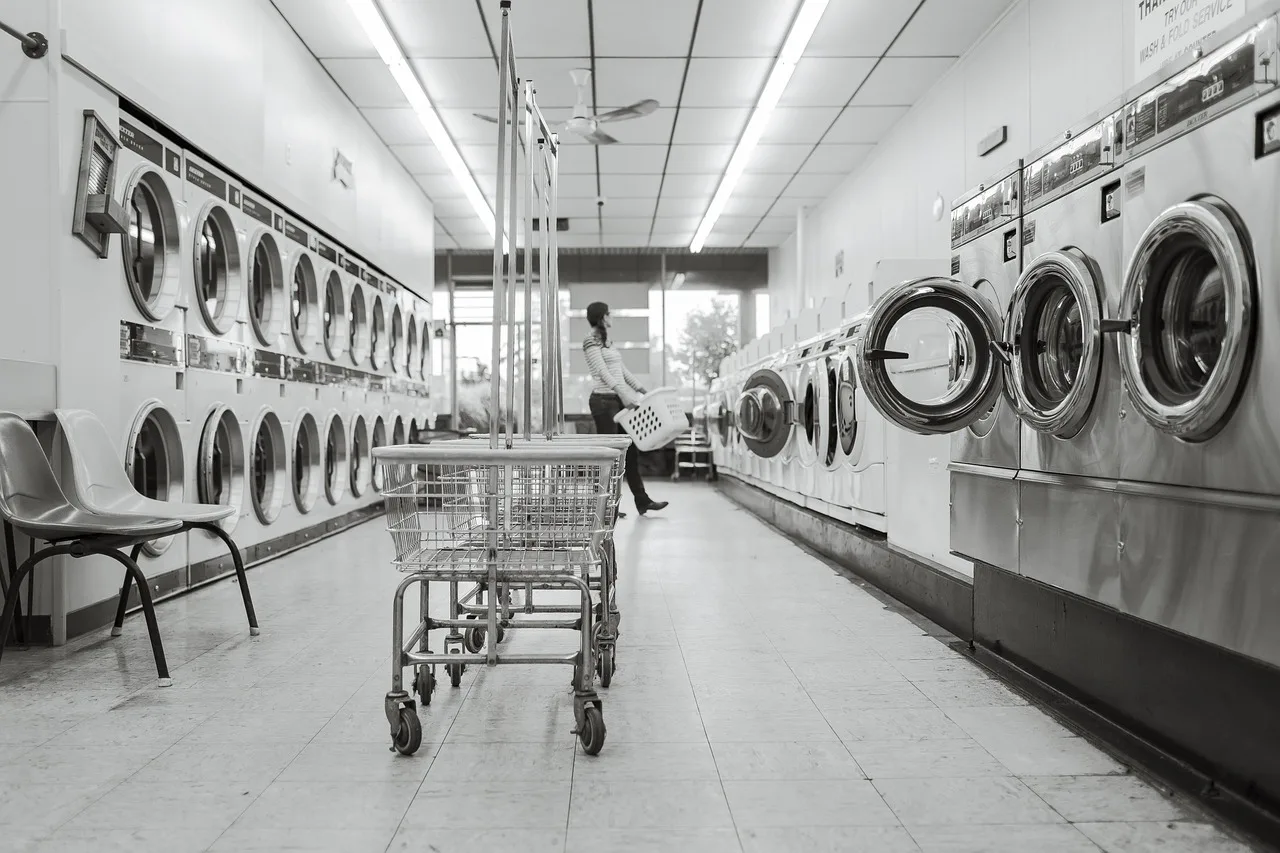
Service quality in a laundromat shows up in machine uptime, clean folding tables and how fast staff answer a customer complaint at the counter.
What to take away
- Service quality is measurabletrack machine uptime, first-time fix rate, and the minutes between a customer reporting a problem and a staff member responding.
- Walk the floor twice per shift with a written score sheet covering lint traps, dryer vents, folding tables, floors, and restrooms.
- Log every out-of-order machine by number, fault, parts ordered, and expected return date so a customer never finds a dead washer unmarked.
- Put an effective date and version number on every written standard, and pull superseded copies off the floor the day the new one starts.
- Read demand and wage context from U.S. Bureau of Labor Statistics: Drycleaning and Laundry Services: Industry at a Glance before you set staffing levels.
- Route the counts through tools you may already ownFasCard and SpyderWash report machine status, CleanCloud and Cents track washes, and MaintainX or UpKeep hold work orders and the complaint log.
The measures that actually describe service quality
A laundromat sells a clean, working machine and a safe room. Quality is whether both were true for every customer who walked in. Four numbers cover most of it, and each one can come off equipment already on your floor.
Four Service Quality Measures
- 95%uptime example
- 30 daysfirst-time fix window
- 2 minutescounter response target
- 1,000 washescomplaint rate base
Machine uptime. Count washers and dryers available at open, then again at midday and close. Divide available machine-hours by total machine-hours. A store running 40 machines for 15 hours has 600 machine-hours a day; 30 down machine-hours is 95% uptime. That figure is yours to compute with your own counts.
First-time fix rate. Of the machines a technician touched last month, how many stayed running for 30 days? A washer repaired twice for the same fault is a parts or diagnosis problem, not bad luck.
Most floors run Alliance Laundry Systems brands (Speed Queen, Huebsch, UniMac), Dexter or Continental Girbau. Each publishes a dealer and parts network, so put the brand and serial number on the ticket before you call for service.
Response time. Time from a customer reporting a leak, a cold dryer, or a jammed coin drop to a staff member acknowledging it. Two minutes at the counter is a different business than forty.
Count it with a paper log at the register or a shared form. Google Forms and Jotform timestamp every entry, and a Slack channel for the shift gives you the clock for free.
Complaint rate per 1,000 washes. Count washes from your card system or coin counter, count logged complaints, divide. FasCard, SpyderWash, CleanCloud and Cents all export cycle counts by machine and by day. This is the number that moves when something in the room goes wrong.
The floor walk, scored
Walk the room twice per shift with a score sheet. Score each item pass or fail, initial it, and note the time. Fails get a work order the same day. A store with 40 machines and one attendant can finish a sheet in under ten minutes.
Floor Walk Score Sheet
- Washer drumsno residue or odor
- Dryer lint screensclean and seated
- Dryer exhauststrong airflow and heat
- Folding tablesclean, stable, no sharp edges
- Floorsdry, no standing water
- Restroomsstocked and fixtures working
- Signageout-of-order tags match log
- Card readersworking, no error codes
| Area | What to check | Fails when |
|---|---|---|
| Washer drums (Speed Queen, Dexter, Continental) | Residue, odor, door gasket | Residue visible or odor on opening |
| Dryer lint screens | Clean, seated, undamaged | Screen torn or lint packed |
| Dryer exhaust | Airflow at the vent, heat reached | Weak airflow or long dry times |
| Folding tables | Clean, stable, no sharp edges | Sticky surface or wobble |
| Floors | Dry, no standing water, no trip hazards | Water tracked from a leaking machine |
| Restrooms | Stocked, clean, fixtures working | Any fixture out of service |
| Signage | Out-of-order tags match the log | Machine down with no tag |
| FasCard or SpyderWash readers | Working, stocked, no error codes | Reader offline over one shift |
Post the completed sheet where staff can see yesterday's. A walk nobody reviews is a walk nobody does. Keep the log in MaintainX or UpKeep if you want a repair history you can search by machine number.
Document control: effective dates and versions
A written standard without a date is a rumor. Every procedure on the floor carries three things: an effective date, a version number, and the name of the person who approved it.
Procedure Version Control
- Assign effective date, version number, approver name
- Keep one register of procedures and master copies
- Staff know one place to look and one person to ask
- When version changes, old copy leaves floor same day
- Fix the sheet or fix the shift when they disagree
Keep a single register, paper or digital. List each procedure, its current version, its effective date, and where the master copy lives. Staff should know one place to look and one person to ask when the written rule and the real work disagree.
When a version changes, the old one leaves the floor the same day.
That last point matters more than the paperwork. If the sheet says dryers get cleaned at close and the closer cleans them at open, the sheet is wrong or the shift is wrong. Fix one of them.
Cleaning chemicals carry the same version problem. Ecolab and Diversey both publish dosing and dilution guidance for laundry products, and a wrong mix shows up as residue in the drum.
Maintenance records and safe servicing
Keep a machine file per unit: serial number, install date, every service call, parts replaced, and the technician's name. When a machine fails a third time for the same fault, the file tells you whether to rebuild or replace.
Rebuild or Replace a Machine
Has the machine failed a third time for the same fault?
Check machine file and budget for rebuild or replace
Continue repairs and log every service call
A commercial hard-mount washer typically runs $2,500 to $8,000 installed in most markets as of 2026. A dryer typically runs $2,000 to $7,000. That makes the rebuild-or-replace call a budget decision, not a repair call.
Before any technician opens a machine, energy-control procedures apply. Occupational Safety and Health Administration: Control of Hazardous Energy (Lockout/Tagout) requires covered employers to establish procedures that prevent unexpected startup or release of stored energy during servicing.
Gas, electrical, and boiler work belongs to a licensed technician working to NFPA and OSHA standards, not to store staff.
Recordkeeping follows the same discipline. Internal Revenue Service: What kind of records should I keep? explains that a business may choose its own system as long as it clearly shows income and expenses and supports purchases, payroll, and assets. Ask a CPA how long to hold each type.
If your daily shift routine already covers opening, closing, and cash handling, keep that separate from this quality program and cross-reference it through the daily operations checklist so staff have one place to look.
Common questions
How often should I score the floor walk?
Twice per shift is the working minimum, because a leak at 7 a.m. and a leak at 7 p.m. are different problems. If your store runs unattended hours, add a camera check or a contracted attendant visit and log it the same way.
What uptime percentage should I aim for?
Set your own floor and hold it. Compute it from your machine count and hours, review it monthly, and investigate any month that drops. The trend matters more than the target, because a slow decline in uptime usually means a parts or staffing problem building.
Do I need a written procedure for every task?
No. Write procedures for frequent work and for anything where a mistake injures someone or damages a machine. Everything else can live in a short training note with a date and an owner.
Who should approve a new version of a procedure?
Name one person, usually the owner or the manager on duty, and record that name on the document. When a rule changes, that person sets the effective date and removes the old copies.
What do I need to start tracking the numbers?
A card or coin system you already run. FasCard, SpyderWash, CleanCloud and Cents report cycles and machine status. MaintainX or UpKeep holds work orders. A paper score sheet and a dated log cover the rest.