Guides
What a laundromat hire must learn in the first weeks
A new laundromat attendant needs machine limits, chemical safety, cash handling and customer complaint steps before working alone on the floor.
What to take away
- A new attendant should not work alone until they can name the water shutoff, the gas shutoff and the breaker panel for each machine bank.
- Chemical dosing is a manufacturer instruction, not a house habit: keep the safety data sheet for every detergent, bleach and softener on site.
- The Coin Laundry Association publishes industry operating benchmarks; the Bureau of Labor Statistics tracks the Drycleaning and Laundry Services sector that laundromats sit inside.
- Card-system fees and utility costs move margin faster than labor in most stores, so an attendant who understands the numbers protects the business.
- Document who may handle cash, refunds, chemical mixing and machine resets, and review that list each quarter.
This article covers laundromat operations generally. It does not cover utility, plumbing, gas, or wastewater advice. It does not cover equipment-repair, employment, or legal advice. Requirements vary by building, machines, jurisdiction and local code, so confirm details with your utility, your equipment manufacturer and your local permitting authority.
The first week is about not breaking anything
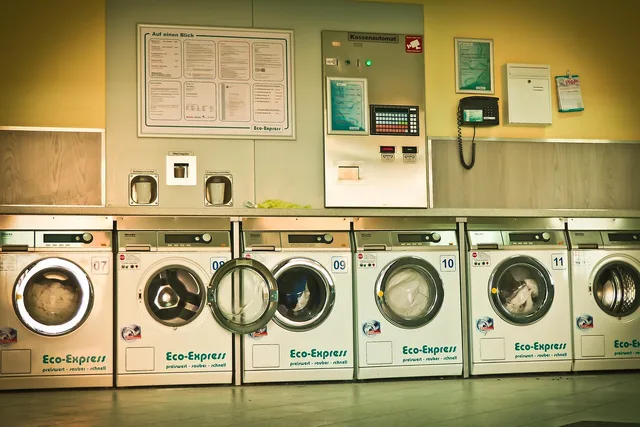
A new hire's early shifts are about learning limits, not speed. Walk them through the machine room before they touch a washer.
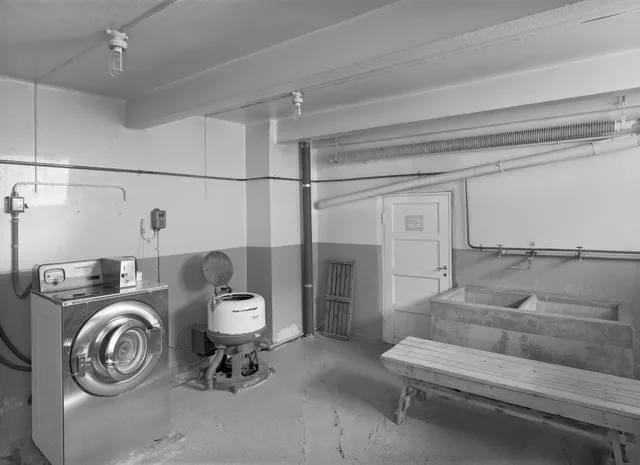
Show them where the water main enters the building, where the gas shutoff sits, and which breaker feeds each bank of machines. Have them point to each one back without help.
Ventilation matters as much as the machines. Dryer lint and gas appliances both need airflow, and NFPA 54 and local mechanical codes set the requirements for your building. A licensed technician confirms those, not the attendant.
Chemicals, dosing and the paperwork behind them
Every detergent, bleach, softener and stain treatment on your shelf has a safety data sheet. Keep a printed copy in a binder the attendant can reach in under a minute.
Dosing is set by the chemical supplier and the machine manufacturer. An attendant who adds "a little extra" bleach to a load can damage fabric, void a warranty claim and create a chlorine gas risk if it mixes with an acid cleaner.
The local health department sets any sanitation rules that apply to your services. Refer chemical exposure questions to the manufacturer's safety data sheet, not to a coworker's experience.
Money, cards and the numbers behind the counter
Teach the attendant how the card system reports a sale, how a refund is issued and who approves one. Most stores lose more to refund errors and card-fee confusion than to outright theft.
Utility cost per load is the number that decides whether a price increase is needed. An attendant who can read the water meter and the gas bill understands why the owner watches those figures.
The Coin Laundry Association publishes operating benchmarks for the self-service laundry industry, including typical cost structures. Use those as a comparison point, not a target.
What the industry data actually shows
The U.S. Bureau of Labor Statistics: Drycleaning and Laundry Services: Industry at a Glance covers the sector that includes laundromats. It reports establishment counts, employment and earnings for the industry, which gives an owner a checkable baseline when comparing their own labor cost per attended hour.
Wage, overtime, timekeeping and recordkeeping duties for a new employer are set out by the U.S. Department of Labor: New and Small Businesses. Read it before the first paycheck, not after.
Hiring and scheduling decisions also fall under federal nondiscrimination law. The U.S. Equal Employment Opportunity Commission: Small Business Resource Center explains what a small employer must post, keep and avoid.
A staged first month
Use this sequence, adjusting the pace to the person and the store.
- Days one to threebuilding tour, shutoffs, emergency exits, chemical storage, card system basics. No solo floor time.
- Days four to tensupervised folding, machine loading, customer questions, refund procedure with a second person approving.
- Weeks two and threeopening and closing checklist with a supervisor present, then observed alone with a phone check-in.
- Week foursign-off on the authorization list, covering who may handle cash, reset a machine, mix chemicals or approve a refund.
For the hiring side of this, see how to hire reliable staff for a laundromat before you write the job posting.
Common questions
Does a new attendant need formal certification?
No single national license covers laundromat attendants. Requirements that do exist, such as boiler operator certification or food-service permits in stores with vending, come from your state or city. Check with your local licensing office before assuming none apply.
Who sets the rules for chemical handling?
The manufacturer's safety data sheet and your chemical supplier set dosing and handling instructions. OSHA's hazard communication standard requires that those sheets be accessible to workers. Your local health department may add rules if you offer wash-dry-fold or commercial accounts.
How long before someone works alone?
That depends on the store, the shift and the person. A reasonable test is whether they can shut off water, gas and power to the affected area and reach the right person without hesitating. If they cannot, they are not ready.