Guides
What a serious laundromat compliance checklist covers
A laundromat compliance checklist splits into machine safety, water and discharge rules, and customer access, each with its own authority to confirm.
What to take away
- Machine servicing falls under OSHA 1910.147, which requires written energy-control procedures, training and periodic inspection for anyone who services washers and dryers.
- Water discharge, sewer connections and backflow prevention are set locally, so the permit comes from your water authority or health department, not a national rule.
- The ADA small-business guide covers routes, counters, seating and service practices in existing buildings, judged by what is readily achievable.
- BLS reports establishment and employment counts for laundry and drycleaning services, which is a market check, not a compliance one.
- Every item on the list has a named authority behind it. Write that name next to the task.
This article is general business information, not legal, engineering or safety advice. Requirements depend on your building, machines, utilities and jurisdiction, so confirm each item with the authority that sets it.
Machine safety is the item owners skip
Washers and dryers hold stored energy after the power is off. A spinning drum, a gas valve, a steam line and a pressurized water line can all release energy during service.
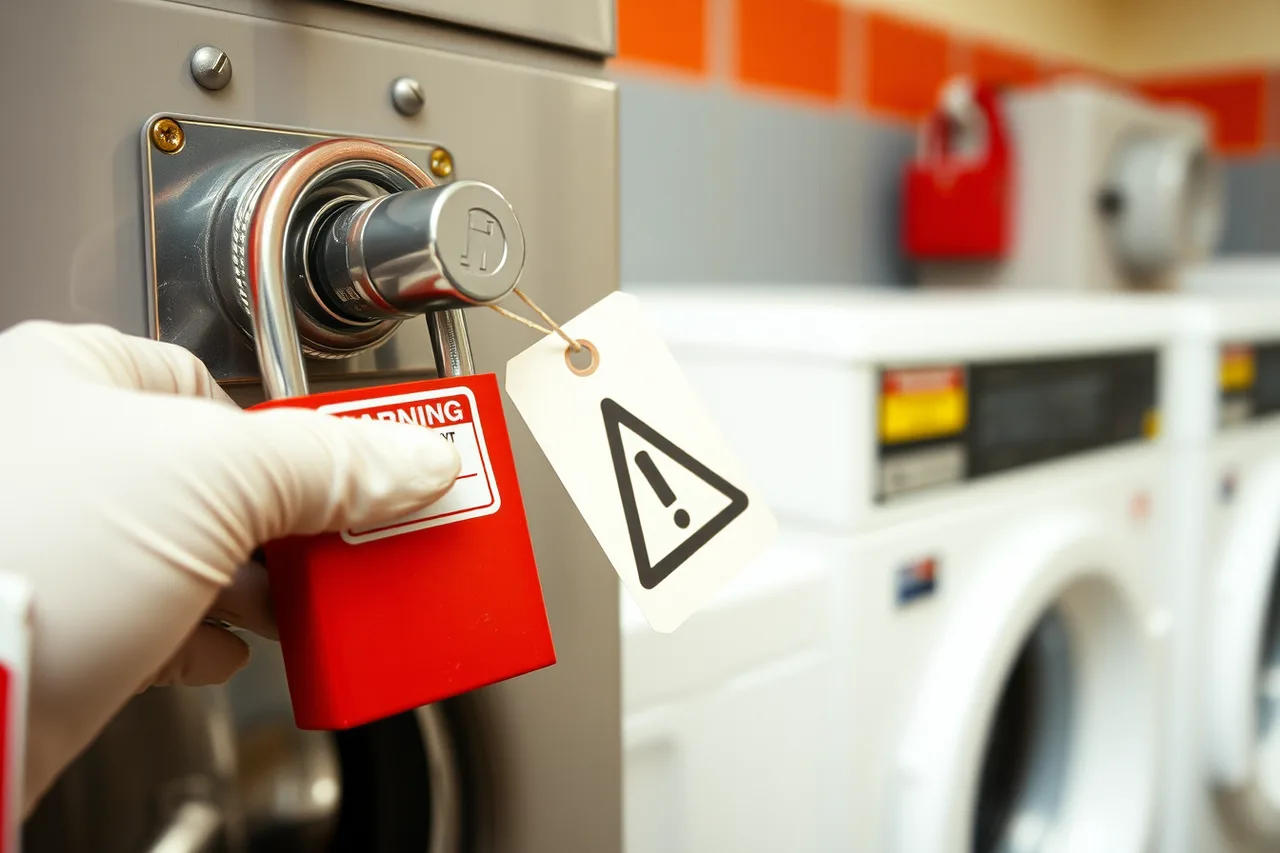
OSHA's Control of Hazardous Energy standard applies to any employee who services or maintains a machine. It requires written procedures, locks and tags, training for affected workers, and a periodic inspection of the procedure itself.
If you call a technician for every repair, your exposure is smaller but not zero. Your staff still clean lint traps, clear coin jams and reach into machines. Decide which tasks are yours and which belong to a licensed technician, then write that line down.
Water, discharge and the local permit stack
Your water connection, sewer discharge and backflow prevention are governed locally. The permit comes from your water utility or health department, and the rules differ between a Phoenix store and a Minneapolis one.
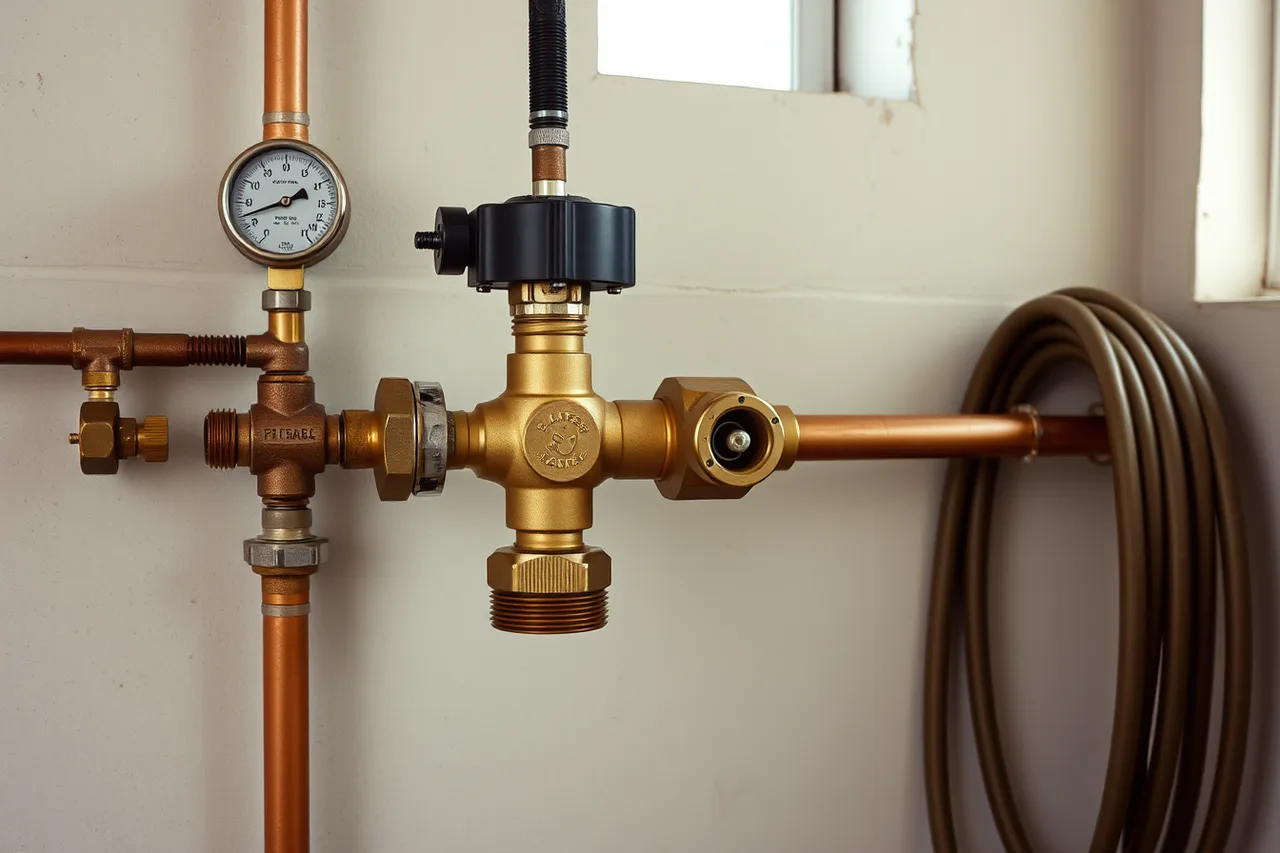
Ask three questions at the counter: what discharge limits apply, whether a grease or lint interceptor is required, and what backflow testing schedule the utility expects. Get the answers in writing with the inspector's name on them.
Hard water changes chemical dosing and machine life. Your utility publishes a hardness figure in grains per gallon. That number drives your detergent cost per load, which is where the money actually goes.
Customer access, measured on the route
The Justice Department's ADA guide for small businesses covers existing facilities. It explains barrier removal, accessible routes, service practices and the readily achievable standard.
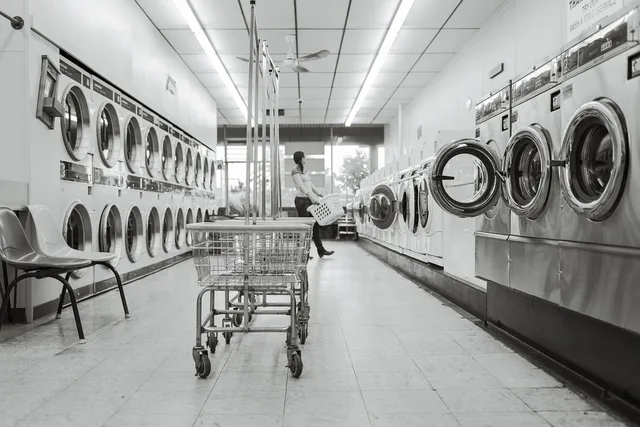
Walk your own store the way a customer on wheels would. Parking, the entry threshold, the aisle between machines, the folding counter height, seating and the restroom all sit on that route.
A folding table at 34 inches and a clear 36-inch path are the kind of details that decide whether a customer comes back. Confirm dimensions with a qualified access consultant rather than guessing from a photo.
Read the market, then check the rules
The Bureau of Labor Statistics industry page for drycleaning and laundry services publishes establishment counts, employment and earnings for the sector. Use it to size your market and compare labor cost, not to answer a compliance question.
Two numbers belong on your own spreadsheet: cost per load and revenue per machine per day. Track them monthly. A compliance item that adds labor shows up in the first number.
A working checklist
- Map each task to its authorityOSHA for machine servicing, water authority for discharge, health department for sanitation, local building office for occupancy.
- Write energy-control procedures for every machine your staff services, and train them on it.
- Log the backflow test date and the interceptor cleaning schedule where staff can see them.
- Walk the customer route quarterly and photograph anything that blocks it.
- Keep permits, inspection reports, training records and service invoices in one folder, paper or digital.
- Reopen the list when you add machines, change chemicals, or change what staff are allowed to touch.
Common questions
Does OSHA lockout/tagout apply to a laundromat?
Yes, if you have employees who service or maintain machines. The standard requires written procedures, training and periodic inspection. If all service is done by an outside contractor, your staff still need to know not to reach into an energized machine.
Who sets the rules for washing machine discharge?
Your local water utility or health department, not a federal agency. Limits on lint, pH and temperature vary by treatment plant. Call before you buy equipment, because an interceptor or a holding tank changes your buildout cost.
Is a laundromat covered by the ADA?
Yes, as a place of public accommodation. The small-business guide explains that existing buildings are judged by what is readily achievable. Start with the entry, the route between machines and the folding area.
Where do I confirm the rules for my store?
Your state or local licensing office, your water authority, your fire marshal and a licensed attorney for lease and liability questions. A CPA handles tax and depreciation questions. None of those answers come from a national checklist.