Guides
Laundromat Washer Preventive Maintenance Checklist
Laundromat washer preventive maintenance checklist with tasks by interval, washer symptoms to watch, and safety reminders for routine service.
What to take away
What to take away
- Laundromat washer preventive maintenance tasks below are grouped by interval, not by component: after the first month, each season, once a year, and every few years, plus a symptom list.
- The first thing that fails from neglect is the door boot and drain path, well before bearings or motors.
- Most emergency calls trace back to a skipped filter clean or a hose that was never inspected.
- Lockout/tagout paperwork belongs in the checklist file, not in a drawer, because OSHA 1910.147 treats washer service as hazardous energy work.
- A written schedule beats memory. Print it, initial it, keep it.
Preventive maintenance tasks, by interval
After the first month
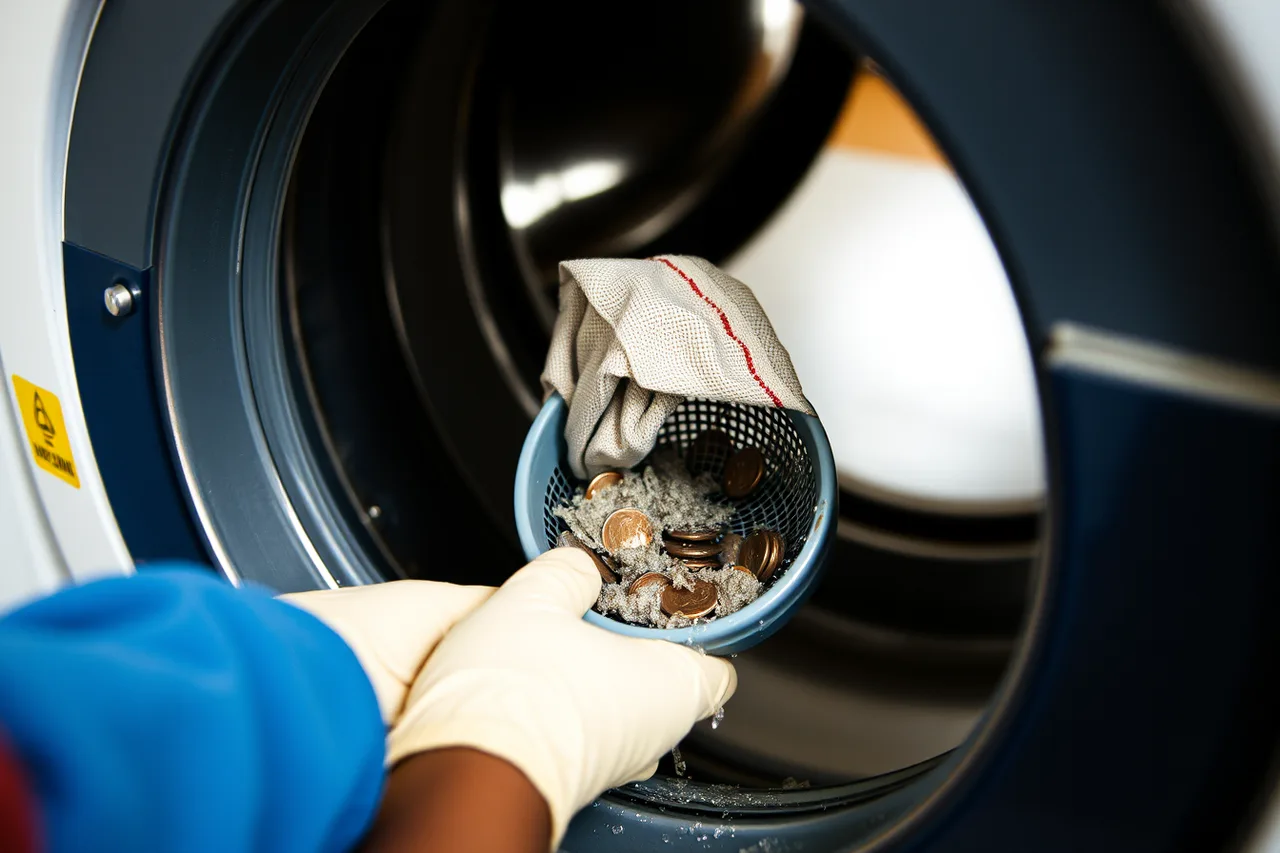
- Clean the coin trap and lint screen on every machine, then log the debris volume. Heavy lint in month one usually means a drain restriction downstream.
- Check inlet hoses at both ends for weeping. Tighten a quarter turn only.
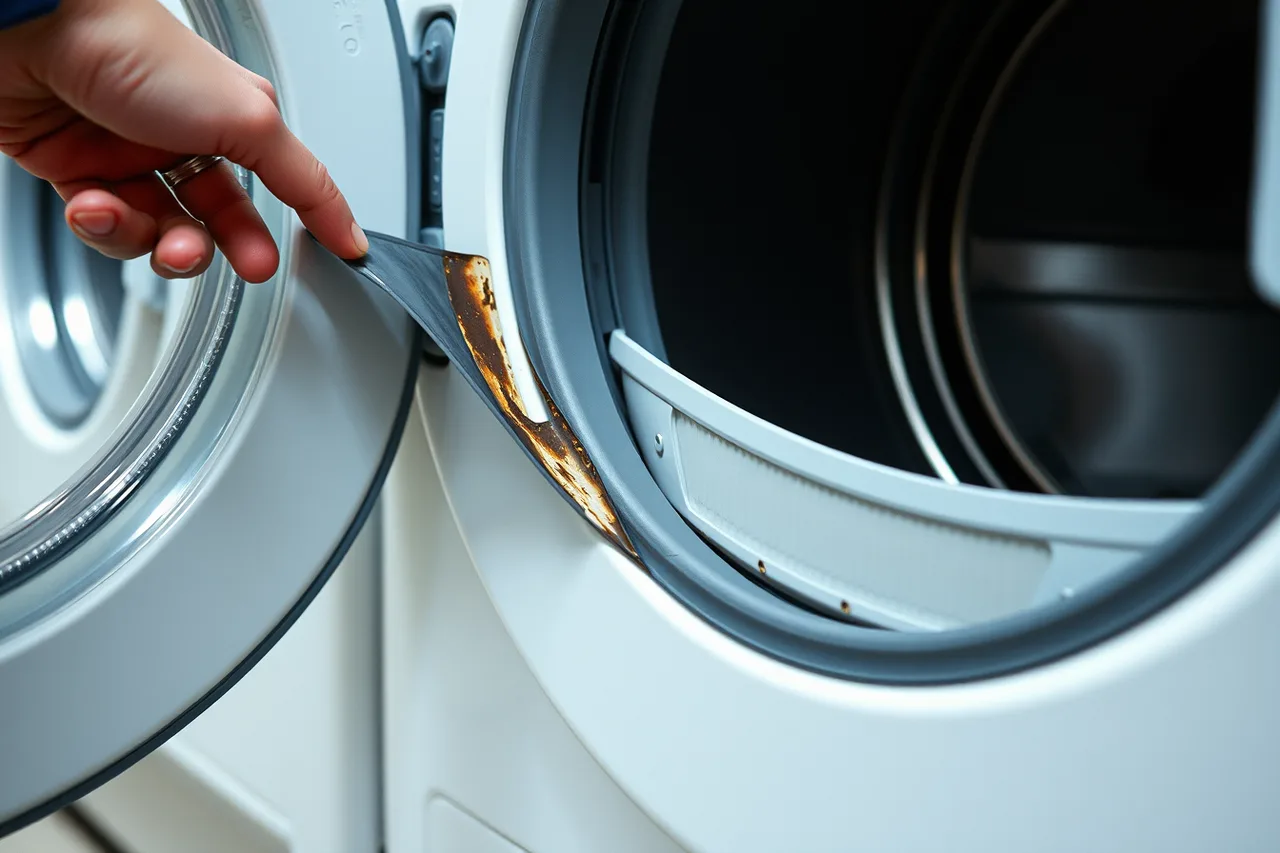
- Verify the door boot seal sits flat with no fold, and wipe it dry. A folded boot tears within a season.
- Confirm the machine sits level and does not walk during spin.
Each season
- Run a hot cycle with a washer cleaner to strip detergent film from the outer tub.
- Inspect drain hoses for cracks and stiff spots, and replace any hose showing either.
- Test the door lock and lid switch by hand, not by eye.
- Clear lint from the exhaust path on dryer-stacked units.
- Wipe and inspect the control board area for moisture trails.
Once a year
- Pull each machine forward and inspect what you never see. Check the floor pan for rust, the drain standpipe for scale, and the water shutoff valves for a full turn of travel. Valves that will not close are the ones that flood a store at 2 a.m.
- Measure water hardness at the tap and record it. Hard water drives scale in the tub and heater, and the Wikipedia entry on water hardness explains why the number matters more than the feel of the water.
- Book a qualified electrician to torque and inspect connections at the panel and at each machine disconnect. Moisture and vibration loosen terminations, and OSHA 1910.303 sets the general industry expectations for that work.
Every few years
- Bearings, seals, and suspension springs age out on a clock, not on a calendar you can see. Budget for bearing and seal replacement at roughly the midpoint of expected machine life, and compare that quote against replacement using a total cost of ownership view rather than the sticker price alone.
- Replace inlet hoses on a fixed cycle even if they look fine. Rubber fails from the inside.
Symptoms that map to a cause
| Symptom | Likely cause | First check |
|---|---|---|
| Water under the machine | Loose hose clamp or failed boot | Inlet and drain connections |
| Loud spin, walking | Worn suspension or unlevel feet | Level and springs |
| Error code on start | Door lock, drain, or board fault | Lock switch, then drain |
| Clothes still wet | Clogged drain or weak pump | Trap and standpipe |
| Rust streaks on linen | Tub or drum corrosion | Drum surface and pan |
Electrical codes behind those error codes are worth reading once. The NFPA 70 National Electrical Code governs the installation your machines sit on, and a code that repeats after a reset is usually a wiring or grounding issue, not a software one.
The first thing that fails from neglect
The door boot and the drain path fail first. Both collect lint, detergent residue, and grit, and both are cheap to clean and expensive to ignore. A boot that stays wet grows mold and splits at the fold. A drain that stays partly blocked forces the pump to run hot until it quits. Neither failure announces itself early.
Track how often each machine goes down, not just how often it gets fixed. The method in measuring service quality turns those counts into a number you can act on.
Example: a one-store seasonal walk
A 40-machine store on a quarterly schedule spends about two hours a season on that checklist, with one attendant and one technician.
Break-fix, the same store sees two to four emergency calls a quarter. Each costs a service visit plus lost revenue on that machine.
The difference is not repair skill. It is the interval.
Cold-climate stores add a freeze step to the seasonal list.
Signs it needs attention now
Stop running the machine and call a technician when any of these appears:
- Water pooling under the unit during fill or drain.
- A burning smell near the motor or control board.
- A door that opens during the spin cycle.
- Repeated error codes after two resets.
- A drum that turns by hand with grinding or roughness.
Ladder work on stacked units and ceiling-height exhaust runs carries fall risk. Keep three points of contact, inspect the ladder before each use, and never stand on the top two rungs. A second person spotting is the cheapest safety device in the building.
New hires should learn the checklist in their first weeks, the same way the plan in training a new laundromat employee sequences everything else they need.