Guides
Laundromat Washer Maintenance in Los Angeles
Laundromat washer maintenance in Los Angeles: review upkeep practices, California Title 20 basics, rebate considerations, records, and a monthly checklist.
What to take away
- Two rule sets govern Los Angeles washer upkeep: LADWP commercial water efficiency rules and California Title 20 appliance standards. Descale every 60 to 90 days on high-cycle machines.
- Title 20 sets water factor and modified energy factor limits for commercial washers sold new in California. It does not ban your existing machines.
- LADWP rebate money depends on your maintenance log. A washer that leaks or drifts above its rated water factor can lose eligibility.
- Budget the maintenance line at 3 to 5 percent of monthly revenue, with descaling, filters and leak repairs as the largest items.
- Keep maintenance, leak and purchase records at least three years. Inspectors and rebate auditors both ask for them.
LADWP rebates and washer upkeep
The Los Angeles Department of Water and Power sets the city's commercial water efficiency rules. For laundromat washer maintenance, practical concerns include water use, leak repair and records of the work.
You do not need a permit to run a washer. You do need to show current efficiency when you apply for a rebate or when an audit lands.
LADWP's commercial program pays rebates for high-efficiency washers and water-saving upgrades. Qualifying means keeping records that show the machine is tuned and not leaking. A washer that fails a leak check or runs above its rated water factor can lose the rebate. That turns maintenance into a compliance task, not just a repair task.
LADWP's commercial washer rebate has been $400 per qualifying machine in recent program years. The program sheet lists a water factor cap of 4.0 or lower. Check the current sheet because amounts and thresholds change.
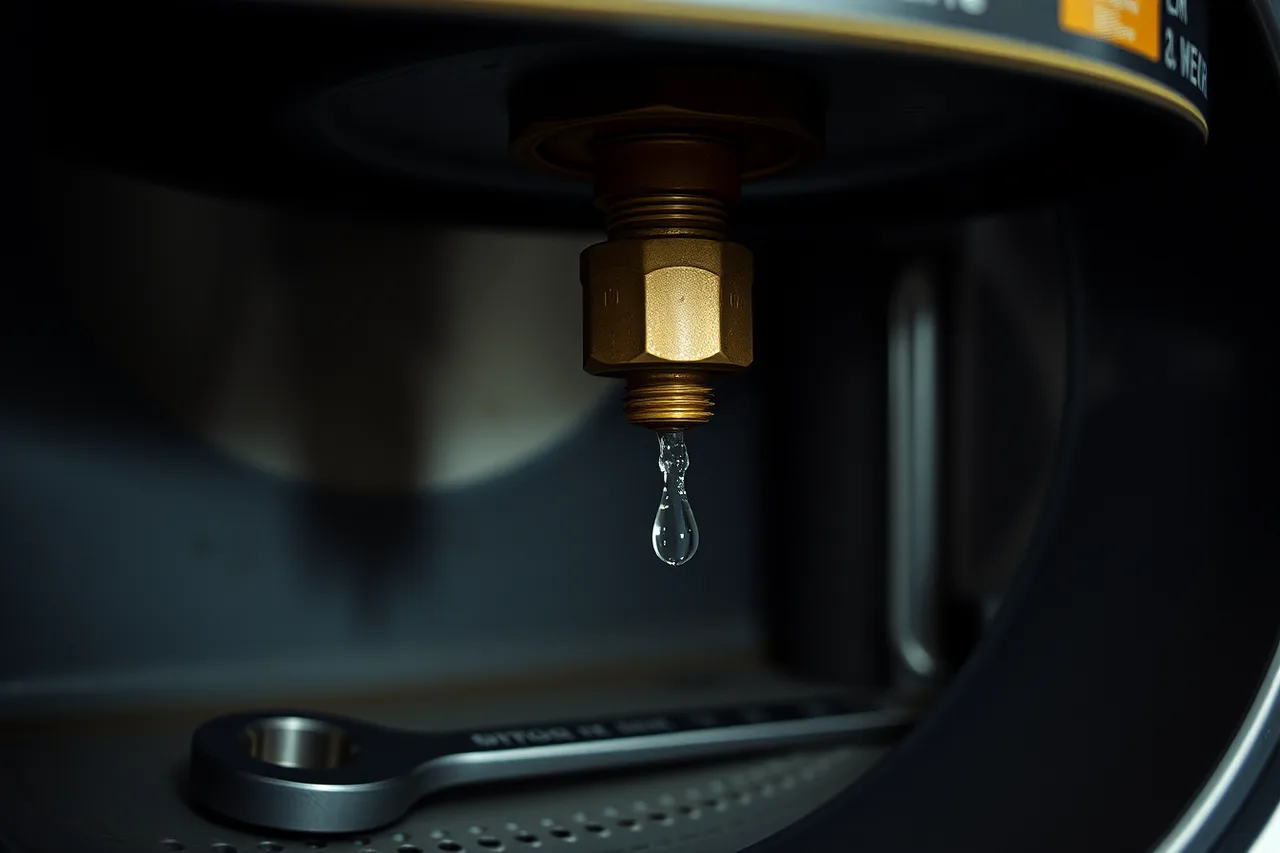
Leak repair is the sharp edge. A dripping inlet valve or a worn door gasket counts as water waste in Los Angeles. A report from a neighbor or an inspector can produce a notice with a fixed repair window. Log every leak fix with its date.
Los Angeles imports most of its water, so the city treats efficiency as a supply question. Audits run heavier in dense neighborhoods with many coin laundries. A washer that passes a water factor test and carries a clean log rarely draws a second visit.
The EPA water topics page covers the discharge and reporting framework that sits behind local rules. New owners mapping the paperwork should start with a compliance checklist before the first inspection.
Title 20 and what it does to your replacement list
California Title 20 appliance standards set minimum water and energy performance for commercial washers sold in the state. The limits bind new sales, not the machines already bolted to your floor. They still change what you can buy next.
A washer that misses Title 20 cannot be sold new in California. Your replacement options are narrower than in a state without the standard.
Title 20 is built on two numbers: water factor and modified energy factor. Higher efficiency means less water and power per cycle. Efficient machines also carry tighter tolerances and more sensors, so they need clean filters and correct water pressure to hit their rated figures.
The state law index at Cornell's Legal Information Institute is the starting point for checking the Title 20 text in force. The standard gets updated, so confirm the current version before you buy.
Those efficiency targets also narrow the replacement list over time. A washer that meets Title 20 today may not meet a later update. The older unit can keep running, but it may stop qualifying for LADWP rebates. Treat that as a cost signal, not a ban.
Build the schedule around the machine, not a wall calendar. A 60-pound washer in a high-turnover apartment block runs more cycles per day than a 40-pound machine on a quiet street. More cycles mean more scale, more lint and more frequent checks. A licensing and compliance guide covers the review points that go with each machine class.
Monthly washer maintenance checklist
- Check inlet filters and screens every 30 days.
- Inspect door gaskets and hoses every 30 days.
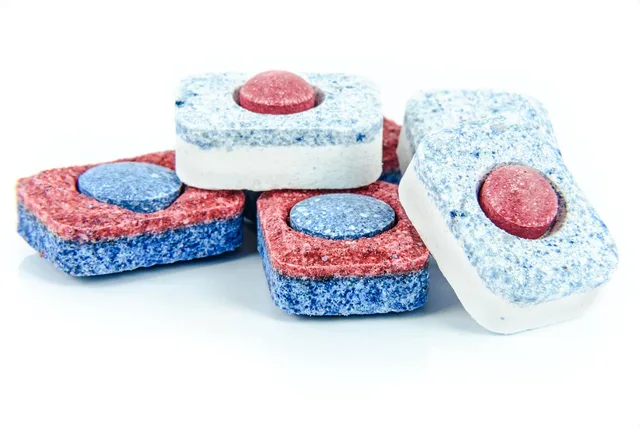
- Descale drum and heater every 60 to 90 days.
- Test the water factor or efficiency reading every 90 days.
- Log every repair, part and date in the machine file.
- Verify Title 20 compliance before any new washer purchase.
- Confirm LADWP rebate paperwork is current each quarter.
How scale drift breaks LADWP rebate terms
Both rule sets push the same way. They reward washers that stay clean and penalize washers that drift.
Los Angeles water is hard. Mineral scale collects on heating elements and drums, which raises energy draw and cuts water throughput. A scaled washer can fall below its rated efficiency under Title 20 and cost you a rebate under LADWP rules. Use the descaling interval in the first takeaway.
Scale acts as an insulator. The heater runs longer to hit temperature, and the drum cycle stretches. That extra run time shows up on the utility bill before it shows up on a repair invoice.
Plan to replace high-use washers every 7 to 10 years, sooner when repair costs pass half the price of a new unit.
Phoenix water services publishes comparable guidance for its customers, which is a fair comparison when you price scale-control products. Confirm Los Angeles rules first.
A worked example from a Koreatown laundry
Take a 40-pound washer running 30 cycles a day in Koreatown. After 90 days without descaling, a typical machine in Los Angeles hard water tests at water factor 5.5 to 6.5. The qualifying cap is 4.0 or lower.
A descaling service call typically costs $150 to $300. LADWP's commercial washer rebate has been $400 per qualifying machine. A $200 call that returns the machine to 4.0 protects the $400 rebate and cuts the utility bill.
Run the same arithmetic on your own floor. Multiply cycles per day by days since the last descale. If the number is past 2,700 cycles on a hard-water machine, the scale is already costing you money.
What the maintenance line costs
A Los Angeles maintenance line is not just parts and labor. It includes descaling chemicals, filter replacements, leak repairs, efficiency testing and the staff time to document all of it. Urban labor rates run above rural California rates, so preventive work beats emergency work on price.
Set maintenance at 3 to 5 percent of monthly revenue. A laundromat grossing $20,000 a month carries $600 to $1,000. Descaling and filters take the largest share, then leak repairs and efficiency checks.
EIA consumption and efficiency data covers commercial laundry equipment as a heavy energy user. Track water and power monthly against that baseline. A sudden rise usually means scale or a failing valve.
Rebates offset part of the cost, but only against documentation. LADWP rebates for high-efficiency washers can cover a meaningful share of a new machine, and the application depends on your log. Miss the log, miss the money.
When you weigh new against used, fold in the maintenance line. A used washer that misses current Title 20 standards can be cheap to buy and expensive to run. A new high-efficiency unit costs more up front and less per cycle, and it keeps you eligible for LADWP programs.
Records that answer an inspector in a minute
Documentation decides whether an inspection is routine or a dispute. LADWP and city inspectors want proof that you maintain washers and fix leaks. Rebate auditors want proof the machine was installed and serviced as required.
Keep one log per washer: date, work done, parts used, technician. Add water and energy readings where you have them, plus receipts for descaling chemicals and replacement parts.
Keep leak records separate. Note the report date, the fix and the follow-up check. If a tenant or neighbor reported the leak, keep that note too. It shows you responded inside the window.
Keep purchase and installation records for every washer: model, Title 20 compliance listing, LADWP rebate application. Pass them to the buyer if you sell the machine.
EPA compliance resources describe the general recordkeeping approach for environmental rules that touch laundromats, including water handling and discharge. Use them as the template for what to retain and for how long.
A daily SOP checklist keeps the file current. If the log sits inside the opening or closing routine, it never piles up. Assign one person to review it weekly and another to audit it monthly.
For replacement calls, an equipment checklist helps you decide which washers justify full records and which are close to retirement. The goal is a file that answers an inspector's question in under a minute.
Common questions
Do LADWP water efficiency rules apply to my existing washers?
They apply to your water use and to rebate eligibility, not to the age of the machine. An older washer can stay in service if it does not leak and you maintain it. Rebate money is the part that depends on condition.
How often should I descale a commercial washer in Los Angeles?
Every 60 to 90 days on most high-use machines. Hard water and heavy cycle counts shorten that interval, so adjust from your own water readings rather than a fixed calendar.
What happens if my washer fails a Title 20 efficiency check?
Title 20 governs new sales, so an existing machine is not banned. A washer that drifts below its rated efficiency can lose LADWP rebate eligibility and raise your utility costs. Repair or replace on the cost, not on the rule.
Which records do inspectors ask for most?
Maintenance logs, leak repair records and purchase or installation paperwork. Keep them at least three years and store them where someone can pull a single machine's file without hunting.
Can I use a used washer and still get LADWP rebates?
Usually only if the machine meets current efficiency standards and you hold installation and service records. Read the program terms before you buy, since the requirement is set by the program, not by the machine's age.