Guides
Laundromat guide: build a washer upkeep calendar
A laundromat guide to turning Coin Laundry Association standards, training and peer benchmarks into a written washer upkeep calendar.
This laundromat guide covers how US operators use Coin Laundry Association standards, training and peer benchmark data to keep commercial washers running, and how to turn that into a written upkeep calendar with an owner and a piece of evidence for every task.
What to take away
- CLA equipment standards describe normal operating ranges for commercial washers, dryers and utility connections, not repair procedures.
- CLA training, plus free SBA counseling, covers machine operation, chemical handling and the labor rules that apply once you hire attendants.
- Peer benchmark reports are self-reported and unaudited. Compare definitions before you compare numbers.
- OSHA and NFPA set the legal floor. CLA material is voluntary practice that helps you meet it.
- A written calendar with a named owner and a piece of evidence per task is what turns a benchmark into uptime.
What the Coin Laundry Association publishes for equipment standards
The Coin Laundry Association is the trade body for US self-service laundry owners. Its equipment standards cover commercial washers, dryers, water heating and the utility connections that feed them. They describe machines running several cycles a day, not home appliances.
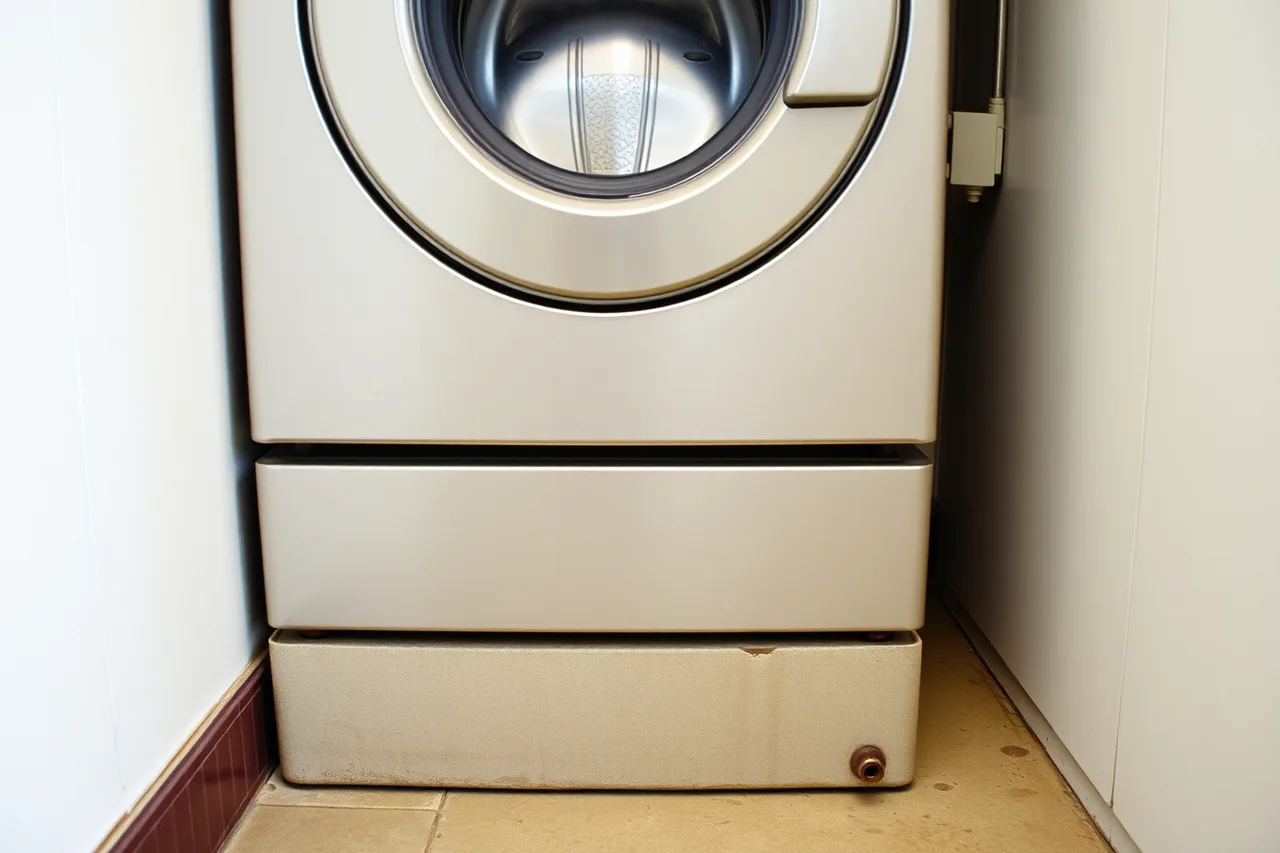
For an operator, the standards define the normal operating range of a commercial washer. Water pressure, drain capacity, electrical service and ventilation each have a stated expectation. When a machine drifts outside those ranges, the standard tells you whether the fault sits in the machine or in the building.
Installation clearances and anchoring are covered too. A washer that walks across the floor has an unbalanced load or a failing suspension, and the standard gives the tolerance. That tolerance becomes a trigger line in your equipment checklist, where most owners first write these numbers down.
CLA equipment standards are not a service manual. They will not tell you how to replace a bearing or rebuild a pump. They tell you what good looks like, and they give you shared language for your distributor and your service tech.
Use them when you write purchase specs. In California, Texas or New York, the local building code and the utility service decide what you may install. The CLA standard tells you what the machine needs to run well once it is in.
Keep a printed copy of the relevant standard beside your maintenance log. When a tech calls a vibration normal, you can check the tolerance instead of guessing. That habit alone prevents a lot of premature drum and bearing failures.
The standards also give you a baseline for warranty conversations. A machine that fails inside its warranty period, installed to the CLA standard, puts you in a stronger position. Document the install, keep the readings, file them with the machine records.
CLA training: what it covers and how to enroll
The Coin Laundry Association runs training for owners, managers and attendants. Formats vary: online courses, webinars and in-person sessions tied to industry events. Content covers machine operation, customer service, safety and basic troubleshooting.
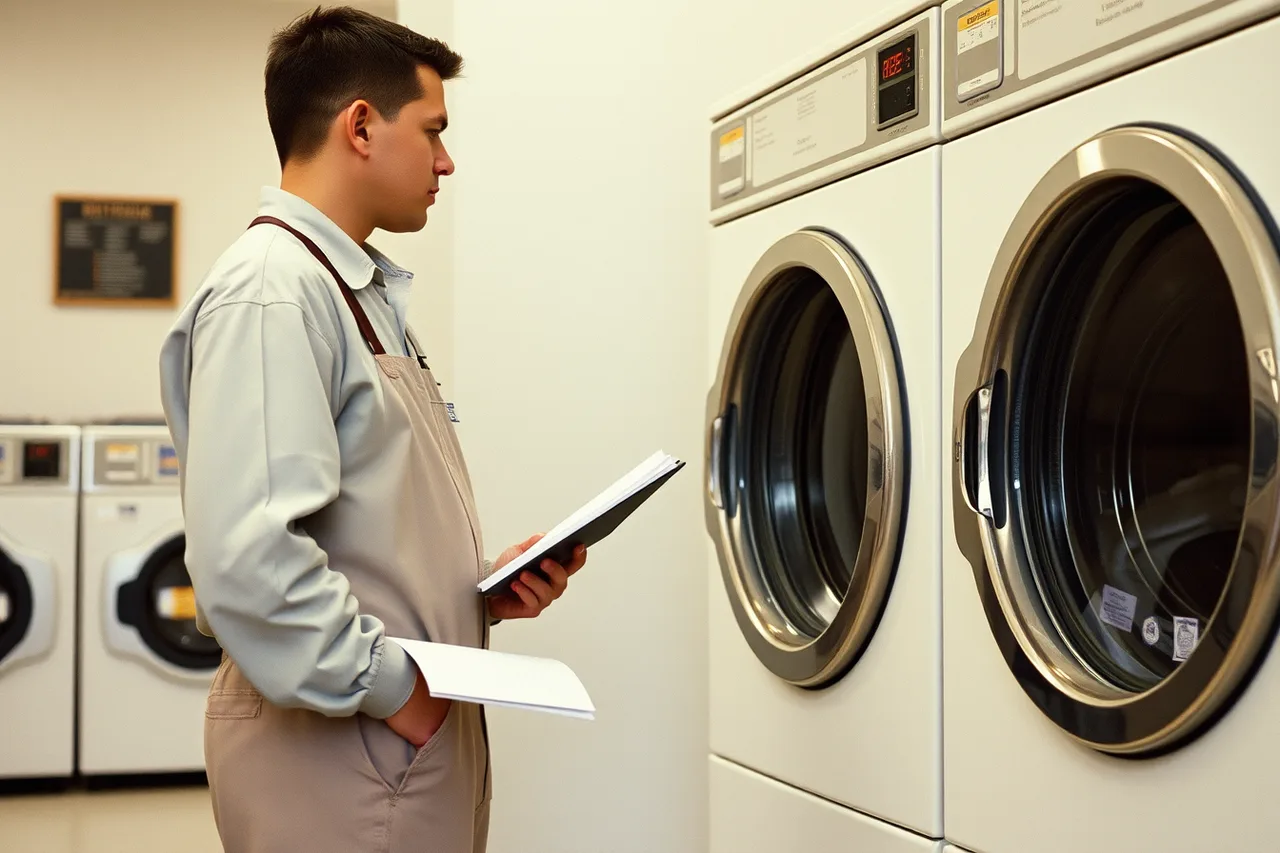
The value is that the material is written for the laundromat floor. A general small business course will not teach an attendant to read a washer error code or to handle a claim about a ruined load. CLA training does.
Enroll through the association website or by contacting the association directly. Membership often affects pricing, so check what your dues already include before you pay for a course. Some sessions are recorded and can be reused for new hires.
Pair that with free small business counseling for laundromat operators. The SBA funds counseling through its free small business counseling and local mentoring network, which covers finance, marketing and staffing questions CLA training does not.
The SBA also works through resource partners such as Small Business Development Centers and SCORE mentors. Those partners can help you build a training plan that combines CLA machine content with local labor rules.
Our guide to the laundromat equipment brands that matter can inform which machines your staff are trained on.
Build a training matrix: one column for the task, one for who is certified, one for the date completed. Tasks include chemical handling, machine lockout, lint and trap cleaning, and cash handling. Review the matrix monthly.
Retrain when equipment changes. A new washer model with a different control panel or payment system invalidates part of the old training. Schedule a short refresher within two weeks of any install.
Document attendance. If an attendant is injured or a machine is damaged, a training record shows what the person was taught and when. That record is worth more than a verbal briefing.
How to read peer benchmark data without over-trusting it
CLA peer benchmark reports collect operating data from member laundromats. Typical fields include revenue per machine, utility cost per load, labor hours per day and maintenance spend as a share of revenue. They are useful because they come from comparable businesses.
They are also self-reported. A peer report tells you what other operators say they spend and earn. It does not audit their books. Treat every figure as the start of a conversation, not a target to hit.
Sample size matters. A benchmark drawn from a small group in one region may not describe your market. Laundromats in Florida, Illinois and Pennsylvania face different utility rates, lease costs and seasonality. Use a regional cut when one is available.
Definitions matter more than the numbers. One operator counts maintenance as parts only. Another includes labor and service contracts. Compare your total maintenance spend against a peer figure that excludes labor and you will conclude you are overspending when you are not.
Use benchmarks to find outliers, then investigate. If your utility cost per load sits far above the peer median, check water heating, dryer venting and machine mix. The benchmark told you where to look, not what to do.
Cross-check against public data. BLS statistics by industry gives employment, wage and price series you can use to sanity-check labor and utility assumptions. It will not give you laundromat-specific maintenance figures, but it anchors your cost model.
Revisit benchmarks once a year. Markets shift, utility rates move and machine fleets age. A benchmark you set three years ago may now describe a different business.
Turning benchmarks into a washer maintenance schedule
A written schedule is the bridge between a benchmark report and a working wash room. It lists every task, who does it, how often, and what evidence proves it was done. Without that document, maintenance happens when something breaks.
Start with the tasks your machine manuals require. Then add the tasks your benchmark data suggests you are underdoing. If peer maintenance spend is higher than yours and your machines are older, you are probably deferring work.
Assign frequency by consequence, not by convenience. A lint screen that clogs daily gets a daily task. A water valve that fails slowly gets a monthly inspection. A drum bearing gets an annual check.
Write the schedule so a new attendant can follow it. Use plain task names, state the tool needed, and say what a passing result looks like. A task that says "check washer" gets skipped. A task that says "remove lint from dryer trap, confirm door closes" gets done.
Keep the schedule with your SOP checklist so opening and closing routines carry the maintenance items. That avoids a separate binder nobody opens.
Review the schedule after every service call. If a tech finds a failed part that a scheduled inspection should have caught, add or adjust the task that week. The schedule should get sharper over time.
Track completion. A log with date, task, initials and notes is enough. If completion drops below your target for two weeks, the schedule is too long or the staffing is too thin.
Post the schedule where the work happens. A laminated sheet in the back room beats a file on the office computer. An attendant should never have to ask what today's task is.
Where CLA guidance meets OSHA and NFPA obligations
CLA guidance is voluntary industry practice. OSHA and NFPA obligations are legal requirements. Where they overlap, the legal requirement wins, and the CLA material helps you meet it.
OSHA covers workplace safety for your attendants: chemical handling, electrical safety, walking and working surfaces, and lockout during service. Help for employers collects employer-facing resources, including compliance assistance and checklists you can adapt.
The Department of Labor offers compliance assistance for small employers. Use it to confirm the wage, hour and recordkeeping duties that apply once you hire attendants. A laundromat with a few part-time staff still falls under these rules.
NFPA codes govern fire and electrical safety. The concerns in a wash room are dryer venting, lint accumulation, electrical panel clearance and chemical storage. Your local fire marshal enforces the adopted code edition, which varies by state and city.
State and local building codes control installation. A new washer install may need a permit, an electrical inspection or a plumbing review. Check with the local authority before you buy, not after.
Build a compliance checklist alongside the maintenance schedule: one column for the requirement, one for the source, one for the evidence you keep. Review it when codes change or when you add equipment.
Insurance carriers often ask for the same evidence. A clean file with inspection records and training logs can affect your premium. Keep it current, and store a copy off site.
A worked example of a benchmark-driven upkeep calendar
This example is for a 30-machine laundromat in Ohio with two part-time attendants and one full-time manager. The owner pulled CLA peer reports and found maintenance spend below the peer median while machine age was above it. That gap drove the calendar below.
Before the calendar, the owner set three targets: utility cost per load, maintenance spend as a share of revenue, and average days between machine downtime events. Those came from the benchmark report and from the metrics owners should track list the owner already used.
Daily tasks belong to the opening attendant. Monthly tasks belong to the manager. Annual tasks are scheduled with the service company. Every task has a place to record completion.
Benchmark-driven upkeep calendar
| Frequency | Task | Owner | Evidence |
|---|---|---|---|
| Daily | Clear lint from dryer traps and check washer door seals | Opening attendant | Initials on log |
| Daily | Check for leaks under washers and around water heater | Opening attendant | Initials on log |
| Weekly | Test emergency stop and inspect cords | Manager | Signed sheet |
| Monthly | Inspect water valves, drain lines and vent runs | Manager | Photo and note |
| Quarterly | Check drum balance, belts and anchor bolts | Service tech | Service report |
| Annually | Flush water heater, inspect electrical panel, review codes | Service tech and manager | Report and permit file |
To build the same calendar for your site, follow these steps.
- Pull your last twelve months of service invoices and parts receipts. Total them and divide by revenue to get your maintenance share.
- Compare that share against the CLA peer benchmark report for your region and machine age band.
- List every task in your machine manuals and mark the frequency each one requires.
- Add tasks for any area where your benchmark comparison showed you behind, such as vent cleaning or valve inspection.
- Assign each task to a role, set the evidence you will keep, then post the calendar in the back room.
- Review completion weekly for the first month, then monthly, and adjust after any service call.
The owner found two problems in the first quarter. Dryer vent runs were cleaned less often than the code and the benchmark implied, and washer door seals were failing earlier than expected. Both were fixed by moving tasks from annual to quarterly.
Use the same loop for your own site. Benchmark, schedule, record, review. The cycle is short, and each pass makes the next one cheaper.
Common questions
What is the Coin Laundry Association and why does it matter to US operators?
It is the trade association for the self-service laundry industry in the United States. It publishes equipment standards, runs training and collects peer benchmark data from member stores, which makes it the main source of industry norms for owners.
Do I need CLA membership to use the standards and benchmarks?
Some material is public and some is member-only. Membership usually affects pricing on training and access to benchmark reports. Check what your dues include before paying for a course or a report separately.
How often should I update my written maintenance schedule?
Review it at least annually and after every major service call or equipment install. If a failure occurs that a scheduled task should have prevented, change the schedule that week rather than waiting for the annual review.
Does OSHA apply to a small laundromat with part-time attendants?
Yes. OSHA duties apply once you have employees, regardless of hours or headcount. Use the employer resources on the OSHA site and the DOL compliance assistance pages to build your checklists.