Guides
Laundromat equipment checklist: the parts worth your attention
A laundromat equipment checklist names the parts that fail: washers, dryers, water heaters, vents, coin boxes and the safety devices that stop them.
What to take away
- A laundromat equipment checklist is only useful if it names parts. "Inspect the equipment" is not a check; "pull the lint screen and look at the burner flame" is.
- The five systems that cause most unplanned downtime are washer drain pumps and inlet valves, dryer lint and vent paths, the water heater or boiler, the coin or card reader, and the emergency stops and door interlocks.
- OSHA 1910.147 requires a written energy-control procedure for servicing washers, dryers and boiler-room equipment, plus lockout hardware and training for the people who do it.
- BLS publishes establishment, employment and earnings data for laundry and drycleaning services. That is the honest way to size your local market before you buy machines.
- Every interval below is a starting point. Your manufacturer's manual and your licensed technician set the real one.
This article covers parts and checks, not repair instructions. Gas, electrical, boiler and machine work belongs to a licensed technician working to NFPA and OSHA standards. Water quality, chemical exposure and sanitation questions go to your local health department and the equipment maker's safety data sheet.
The parts, by name
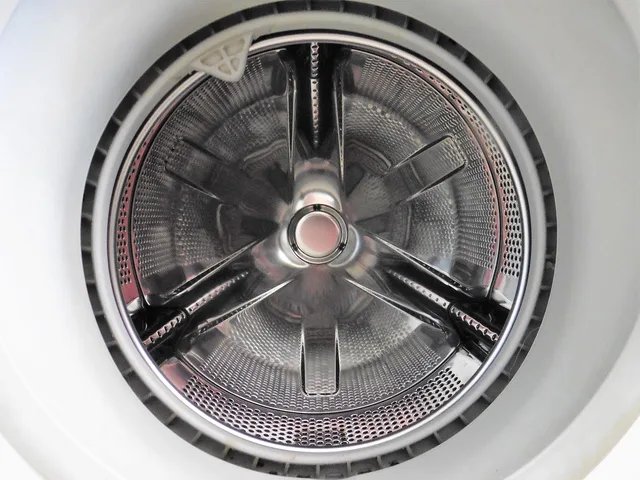
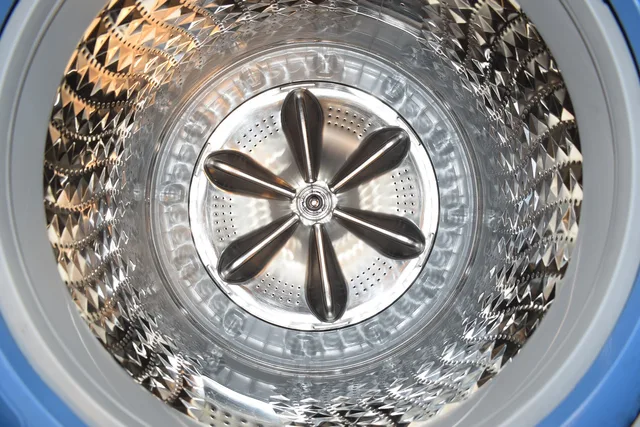
Washers. The drain pump, the inlet mixing valve, the door lock and interlock, the belt and pulley. The drum bearings, the shock absorbers, the coin drop or card reader, and the soap and bleach dispensers.
The drain pump and inlet valve are the two most common failure points on a top-load machine.
Alliance Laundry Systems builds the Speed Queen, Huebsch and UniMac lines. Dexter Laundry in Fairfield, Iowa, and Pellerin Milnor in Kenner, Louisiana, also build commercial washers. Parts availability follows the brand, so check lead times before you buy a mixed fleet.
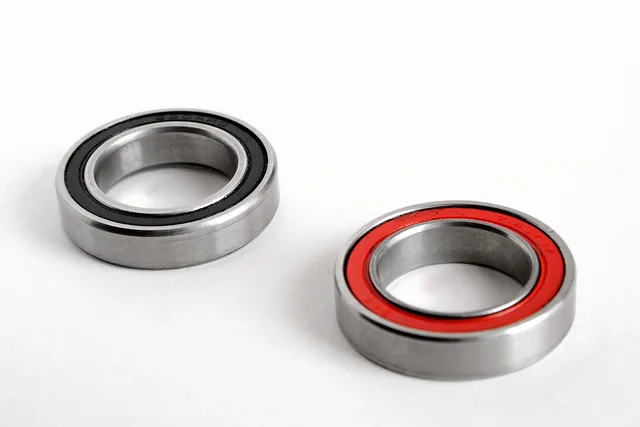
A bearing that rumbles on spin is a rebuild decision, not a repair.
Dryers. Check these parts:
- The lint screen
- The lint plenum behind the drum
- The exhaust duct run
- The blower wheel
- The gas valve and burner
- The thermistor or thermostat
- The door switch
- The drive belt
Lint in the plenum is a fire load, not a housekeeping item.
A dryer that runs hot and slow is usually a blocked duct, not a bad thermostat.
American Dryer Corp in Fall River, Massachusetts, and Continental Girbau in Oshkosh, Wisconsin, both build commercial dryers. Ask both for the vent specification before you set the duct run.
Water heating. The water heater or boiler, the recirculation pump, the expansion tank, and the pressure relief valve. The gas shutoff and the mixing valve that keeps delivery at a safe temperature.
A relief valve that weeps is telling you something about pressure or temperature. It is not a drip to ignore.
A.O. Smith, Bradford White and Lochinvar sell commercial water heaters; Navien and Rinnai sell condensing tankless units.
Air and venting. The make-up air louvers, the exhaust fans, the roof curb and cap, and the duct seams. A machine room that pulls a vacuum starves the dryers and the boiler. Check the louvers before you blame the equipment.
In-O-Vate Technologies makes the Dryerbox, a recessed vent connection that shortens the duct run. Gardus makes the LintEater rotary brush kit for cleaning that run.
Payment and access. The coin boxes, the card readers, the bill acceptor, and the change machine. The door and gate hardware, and the security camera covering the cash path. A jammed coin drop costs more in lost cycles than in parts.
Coin Acceptors (CoinCo) of St. Louis and Crane Payment Innovations (MEI) build the validators inside many machines. Standard Change-Makers in Indianapolis and American Changer in Fort Lauderdale build change machines.
Card Concepts (LaundryCard), ESD (FasCard) and PayRange sell card and mobile payment systems.
Safety devices. The emergency stop buttons, the door interlocks, the ground-fault protection, and the fire extinguishers. The gas shutoffs and the posted lockout points. These are the items an inspector asks about first.
What OSHA 1910.147 requires
OSHA's Control of Hazardous Energy standard applies to servicing and maintenance where unexpected startup or release of stored energy could injure someone. Washers hold water and spin under power. Dryers hold heat and gas. A boiler holds pressure and flame.
That means a written procedure for each machine, lockout hardware, tags, and training for every person authorized to service it. A machine that is unplugged is not locked out. A machine that is locked out is not necessarily verified: the procedure requires testing for zero energy before work starts.
OSHA's safety management guidance recommends finding and fixing hazards before an injury or an inspection finds them for you. In a laundromat the practical version is a monthly walk of the machine room with the same list every time, signed and dated.
What the BLS data tells you
The BLS industry page for drycleaning and laundry services publishes establishment counts, employment, occupation mix, earnings and productivity for this sector. Use it to size the local market and to sanity-check a broker's revenue claim, not to set your prices.
For pricing, work bottom-up. Utilities, water and sewer rates, chemicals and labor go into a per-cycle cost. Rent and card-system fees go in too. Divide fixed monthly cost by cycles sold to find break-even. The published figures live at BLS and at your utility; the arithmetic lives in your own numbers.
A monthly walk, in order
- Start at the water heater or boilerrelief valve, expansion tank, gas shutoff, flue.
- Move to the dryerslint screen, plenum, duct, burner flame color, door switch.
- Check the washers: drain pump sound, inlet valve, door interlock, belt, drum bearing.
- Test the safety devicesemergency stops, interlocks, ground-fault outlets, extinguishers.
- Finish at the payment pathcoin boxes, card readers, change machine, camera view.
Log the date, the machine number, what you found and who fixed it. A checklist that is not dated is a memory, and memory loses to a service call.
Monthly walk, in order
- Water heaterrelief valve, expansion tank, flue
- Dryerslint screen, plenum, duct, burner
- Washersdrain pump, inlet valve, interlock
- Safety devicese-stops, interlocks, GFCI, extinguishers
- Payment pathcoin boxes, card readers, camera
Where the checklist lives
Keep the current version in the machine room, not in an office drawer. Put an effective date on it and pull the superseded copy. When a technician tells you an interval is wrong, change the sheet that day.
New owners should work through the laundromat equipment and setup guide before signing a machine contract, because capacity, hookups and ventilation decisions are made once and paid for monthly.
Common questions
How often should a laundromat washer be serviced?
Manufacturers publish intervals by model, and a busy store usually needs attention sooner than a light one. A practical starting point is a monthly walk of all machines, a quarterly check of pumps, valves and belts by a technician, and an annual boiler or water-heater service.
Your manual and your technician set the real number.
Does OSHA lockout/tagout apply to a laundromat?
It applies to covered employers where servicing could release hazardous energy. Washers, dryers and boilers all qualify. The requirement is a written procedure, lockout hardware, tags and training, and it applies to the owner who services a machine as much as to a hired technician.
Confirm your obligations with OSHA or a qualified safety consultant.
What causes most dryer fires in laundromats?
Lint accumulation in the plenum and duct, and restricted airflow that overheats the drum. The fix is a documented cleaning interval and a vent run that meets the dryer maker's specification. Your local fire authority sets the inspection requirement, so confirm it there.
Can I check water quality myself?
You can read a utility report and you can watch for scale and spotting on finished laundry. You cannot decide from that whether the water is safe for a public facility. Your local health department and the equipment manufacturer's safety data sheet are the authorities to ask.