
Guides
Laundromat Hiring: Roles and Staff Training
Laundromat hiring starts with five defined roles, local pay research, consistent screening, and risk-based training before staff work alone.
What to take away
- A laundromat runs on five rolesattendant, wash-and-fold processor, route driver, maintenance technician, and contract cleaner. Each needs its own written scope before you post the job.
- Pay comes from local postings and the BLS Drycleaning and Laundry Services series, not from a national average pasted into a local offer.
- Attendants touch cash, chemicals, and customer disputes. Those three duties set the training order.
- No attendant works alone until a named supervisor signs off on lockout/tagout awareness, chemical handling, and cash reconciliation.
- Overtime, call-offs, and late finishes are your capacity signal. If they are chronic, the schedule is wrong, not the crew.
The five roles a laundromat actually staffs
Laundromat hiring starts by splitting the work instead of writing one vague "attendant" job post for every task.

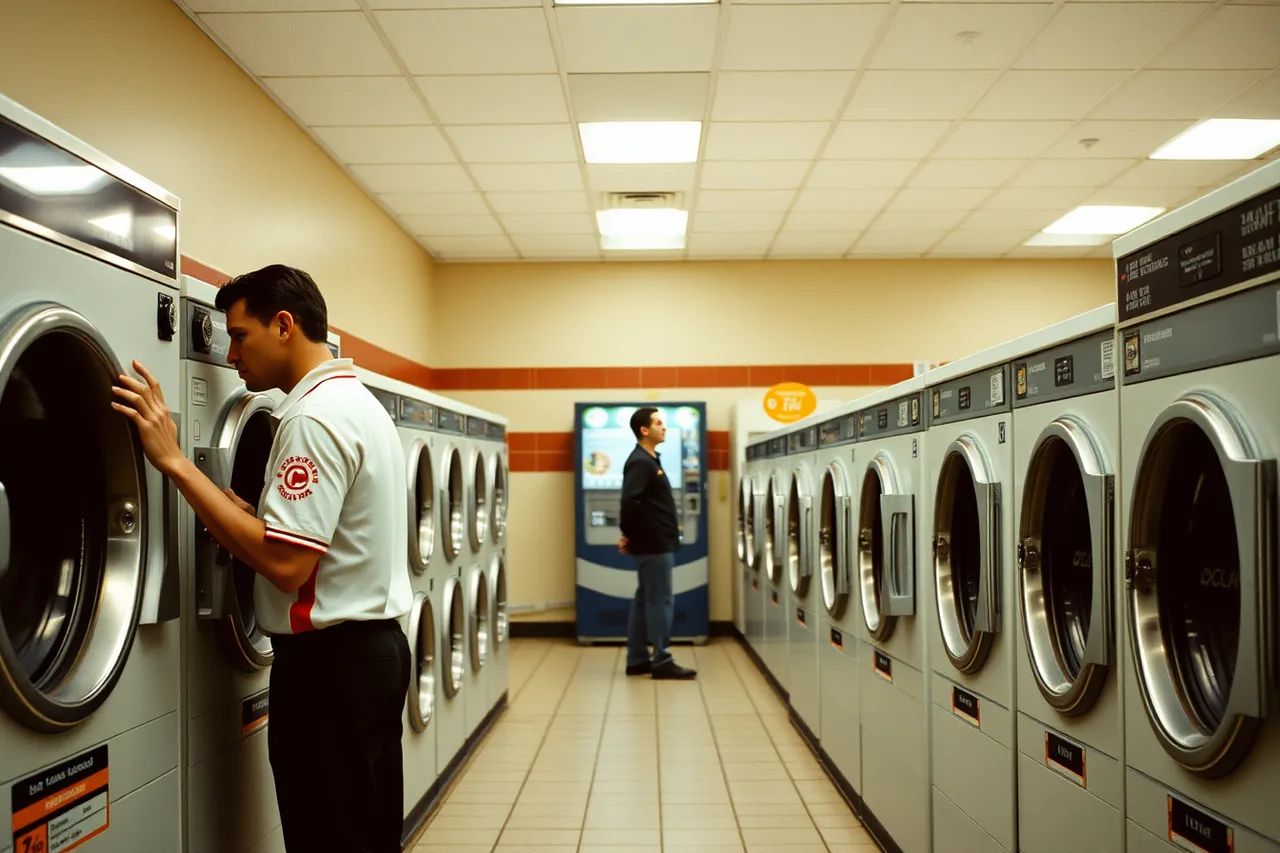
An attendant opens the store, keeps machines running, handles change and card issues, answers customer questions, and reports equipment faults. This is your highest-turnover role and your only role that is always customer-facing.
A wash-and-fold processor handles commercial and residential orders. The service includes:
- sorts
- weighs
- washes
- dries
- folds
- bags The work is physical, repetitive, and measured in pounds per shift.
A route driver picks up and delivers commercial accounts: restaurants, salons, gyms, small hotels. This role needs a clean driving record and, depending on your state and vehicle weight, a commercial license. Confirm requirements with your state licensing authority.
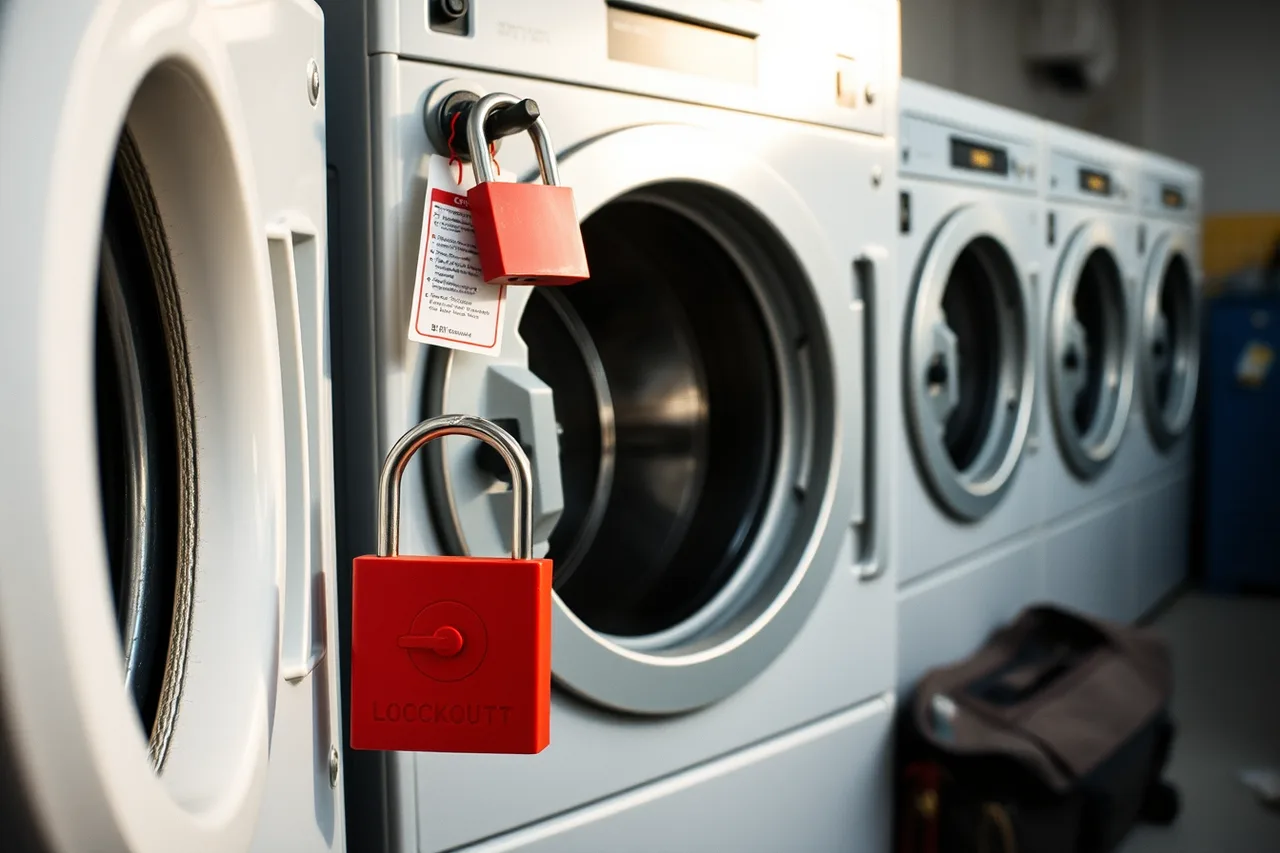
A maintenance technician handles preventive service and repairs. In-house technicians need lockout/tagout training under OSHA 1910.147 before they service any machine. Gas, boiler, and electrical work belongs to a licensed contractor in nearly every jurisdiction.
A cleaner covers floors, lint traps, restrooms, and the folding area. Many owners contract this out rather than hire for it.
Pay built from local evidence, not a national number
Start with the BLS Drycleaning and Laundry Services industry page. It publishes establishment counts, employment, occupation mix, and earnings for the sector. Treat it as a range, not an offer.
Then pull fifteen to twenty current postings within a realistic commute of your store. Record the posted wage, the schedule, and whether the role is full or part time. Your offer sits inside that local band or you will not fill the shift.
Build the number bottom-up:
Pay built from local evidence
- Base hourly rate from the local posting band
- Shift differential if you need nights or weekends
- Payroll taxes and workers' compensation at your carrier's rate
- Overtime at time and a half for hours over forty
- Card-system and payroll processing fees per pay period
Compare the total against your revenue per attended hour. If labor eats the margin, the answer is usually price or route density, not a lower wage.
Federal wage, overtime, timekeeping, and child-labor duties apply from your first employee. The DOL small business compliance guide lists what a new employer must post and keep. Your state labor office may add requirements on top.
Screening that survives a busy Saturday
Ask every candidate the same job-related questions and score the answers against the role scope. For an attendant, that means a cash-handling question, a customer-conflict question, and a what-would-you-do question about a flooding machine.
Verify what you can check lawfully: identity and work authorization, references, and any license the role requires. Driving records for route drivers, with written consent.
The EEOC small business resource center covers nondiscrimination, accommodation requests, and record retention for employers your size. Keep interview notes and the scoring sheet for the retention period your counsel advises.
Do not hire on familiarity. A friend of a regular customer still needs the same scorecard, and the same ninety-day review.
Training staged by risk, not by seniority
Sequence matters. Train in this order:
- Safety first.Chemical handling and safety data sheets, lockout/tagout awareness, wet-floor and lint-fire hazards, and emergency shutdown locations.
- Cash and cards.Register reconciliation, refund authority, and the limit above which an attendant must call a supervisor.
- Customer work.Complaints, damaged-garment claims, and unattended-children policy.
- Machine operation.Loading limits, cycle selection, and how to report a fault without attempting a repair.
- Wash-and-fold standards.Sort rules, stain tagging, fold and bag specs for commercial accounts.
- Records.Shift logs, maintenance requests, incident reports.
A new attendant shadows for a set number of shifts, then works observed, then works alone after a named supervisor signs the authorization sheet. Keep that sheet current. Tenure is not authorization.
Scheduling against real demand
Laundromat demand peaks on weekends, evenings, and the days after a holiday. Staff to the peak, not the average, or you will run every busy shift short.
Plan breaks, setup time, and travel for route drivers into the shift, not on top of it. Track overtime, call-offs, late finishes, and unfilled shifts monthly. If the same shift runs late every week, the schedule is the problem.
Cross-train at least one attendant on wash-and-fold so a single call-off does not stop commercial orders.
Coaching from what you can see
Use observed work, shift logs, quality checks, and customer complaints for feedback. One number from one bad day is not a review.
Set a review date when you give the feedback, and write down what should change. If the same exception repeats after coaching, the issue is either the training or the fit, and both are your call to make.
Common questions
Do I need a written job description for a laundromat attendant?
Yes, and it should list the tasks, the cash limit, the safety duties, and who to call when a machine fails. A written scope is what makes a fair hiring decision and a fair termination decision.
Can a maintenance technician fix a gas dryer in-house?
Only if that person holds the license your state or municipality requires and has completed lockout/tagout training. Gas and electrical work is contractor territory in most jurisdictions. Confirm with your local permitting authority before anyone opens a panel.
How do I set the starting wage without guessing?
Pull the BLS industry earnings for your sector, then collect current local postings for the same role and schedule. Set your offer inside that band after adding payroll taxes, workers' compensation, and overtime exposure. A CPA can confirm how those costs hit your books.
What records should I keep for each hire?
Keep the application, the scoring sheet, the verification notes, the signed authorization sheet, and the training log. Retention periods vary by state and by the type of record. Ask an employment attorney or your state labor office for the schedule that applies to you.