Guides
Speed Queen washer maintenance schedule: the numbers to log
The readings a Speed Queen washer schedule should log, with the limit that triggers action for fill time, amp draw, belt tension, bearings and water hardness.
What to take away
- Write down a baseline in the first 30 dayscold fill, hot fill, drain time and spin vibration.
- Keep records of fill time, drain time and vibration, because drift is the early warning.
- Every number has a trigger, and the table below puts them side by side.
- A rise of more than 10 percent in amp draw over baseline means bearing drag.
- Lock out and tag out the washer before any panel work.
Speed Queen commercial washers in U.S. laundromats are often Quantum Gold, Horizon, or SVN and SCN stack models, and each machine may run 10 to 16 cycles per day. The triggers here assume that daily average. For the same work grouped by interval, see the preventive maintenance checklist.
The readings and what each one triggers
A schedule is only as good as the readings behind it. Each row below pairs one measurement with the limit that calls for action, so a reading never has to be argued about on the day.
| Reading | Reference or limit | What it points to |
|---|---|---|
| Cold fill time | Longer than 90 seconds | Clogged inlet screen or low building pressure |
| Motor amp draw, full high-speed spin | More than 10 percent over baseline | Bearing drag |
| Belt deflection at the midpoint, belt-driven Quantum models | About 1/2 inch under moderate thumb pressure | Correct belt tension |
| Final rinse temperature, empty hot cycle | At least 120 degrees F | Hot water reaching the final rinse |
| Bearing play at the drum rim | More than 1/8 inch | Replace the main bearings |
| Local water hardness | Above 7 grains per gallon | Descale each season |
| Cycles on the inlet valve | Over 20,000 | Flush the valve bodies and replace the diaphragms |
Set the baseline in the first 30 days
In the first 30 days, measure and write down cold fill time, hot fill time, drain time and spin vibration for one machine. Then repeat on the remaining machines. That record becomes the reference for every later comparison, and drift from it is what a fault looks like first.
Record the amp draw on each motor during a full high-speed spin at the same time. Run one empty hot cycle and verify the final rinse temperature reaches at least 120 degrees F.
Fill time and the inlet screen
The first thing that fails from neglect is the water inlet screen. When it clogs, fill times stretch and the pressure switch times out. The screen is also the first place to look when a cold fill runs past 90 seconds while pressure at the building tap is normal.
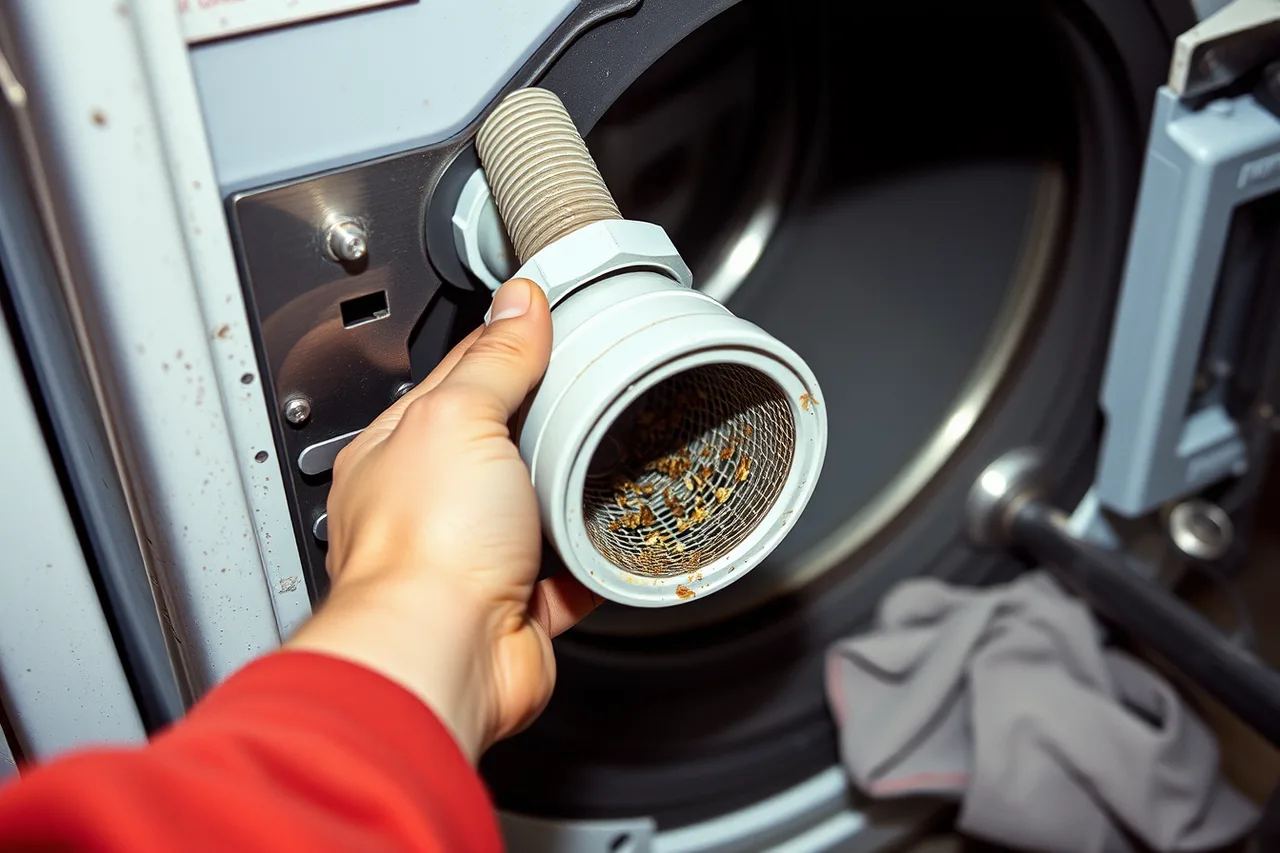
Check the screen on every fill hose where it threads into the valve, and remove any grit, rust flakes or plastic shavings from new plumbing. The machine may also stop with a fill error when the screen is badly blocked.
Amp draw, vibration and bearings
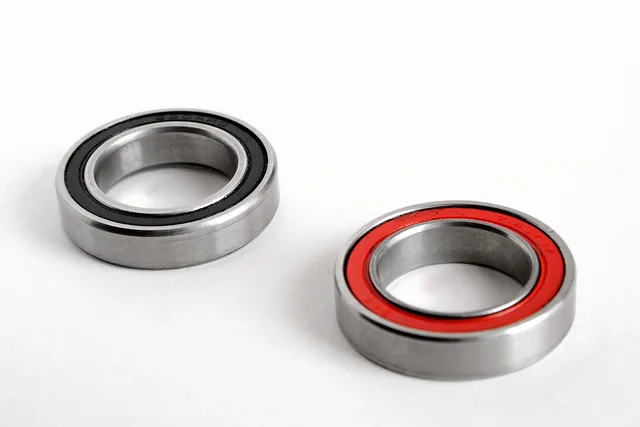
Grinding noise only during spin points to a failed main bearing or a foreign object between the tubs. An out-of-balance code points to a worn shock absorber or an uneven load. Both show up in the readings before they show up in a complaint.
Every two to five years, depending on daily cycles, have a certified technician measure bearing play with a dial indicator. Replace the main bearings if movement at the drum rim exceeds 1/8 inch. Whether to repair or replace the whole machine is covered in the bearing replacement or new washer comparison.
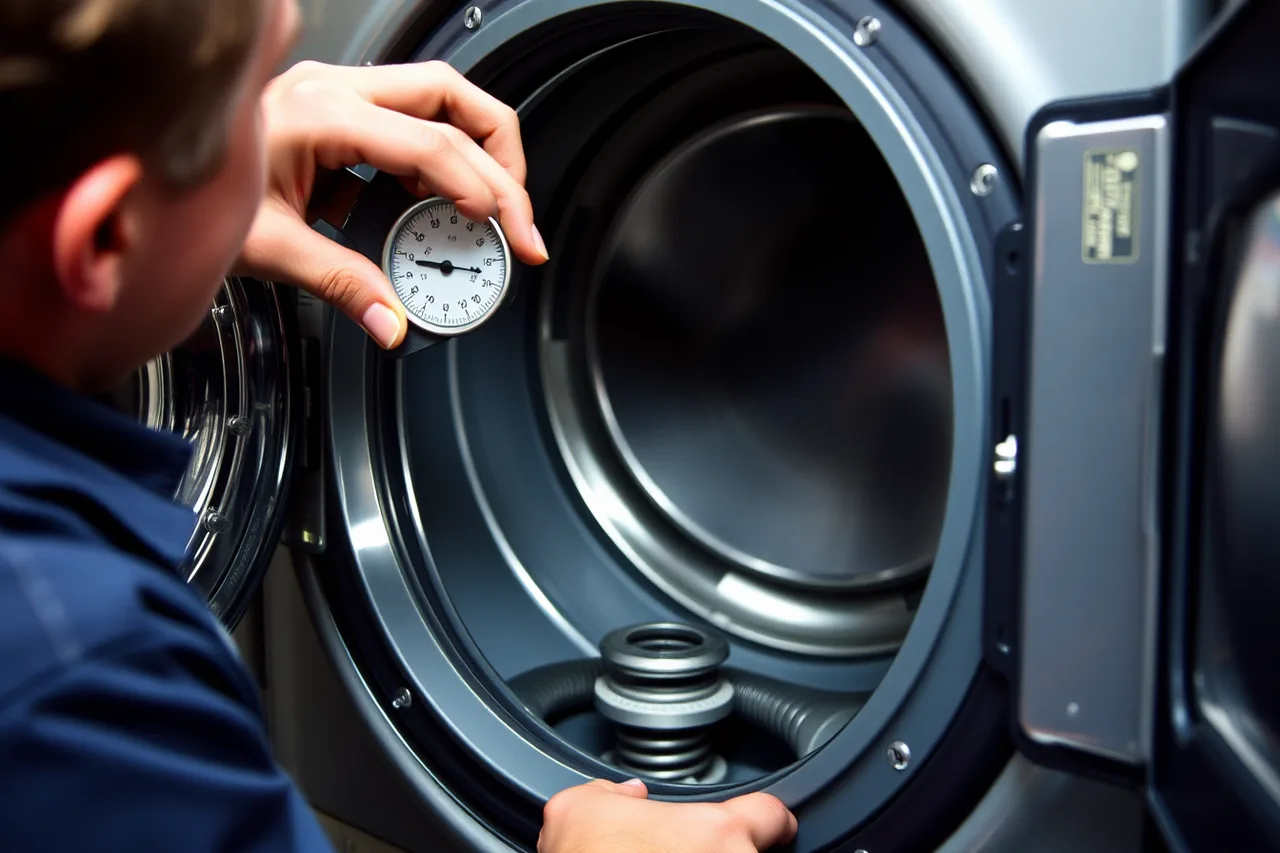
Between those visits, rotate the wash drum by hand and feel for rough spots. Any grinding means a bearing inspection is due. On front-load models, inspect the shock absorbers and springs for sag, leaks or broken coils.
Belt tension, seasonal
Seasonal work falls every 90 days or when the calendar turns. On belt-driven Quantum models, press the belt at the midpoint between pulleys. It should deflect about 1/2 inch under moderate thumb pressure. Record the result with the other readings.
Water hardness and the 7-grain trigger
Run a descaling cycle with citric acid or a commercial descaler if local water hardness exceeds 7 grains per gallon. Hard water shortens valve life. If hardness stays under that figure, descaling every season may be unnecessary, and above it scale builds on valves and heaters.
Water test results can be reported in grains per gallon or milligrams per liter, so check the unit before comparing a report with the trigger. How scale and corrosion differ between cities is covered in the hard water and washer upkeep guide for Phoenix and Minneapolis.
Before any panel comes off
Before opening any panel, secure the power and close the water inlet valves. Use the OSHA Lockout/Tagout standard when any energy source could start the drum.
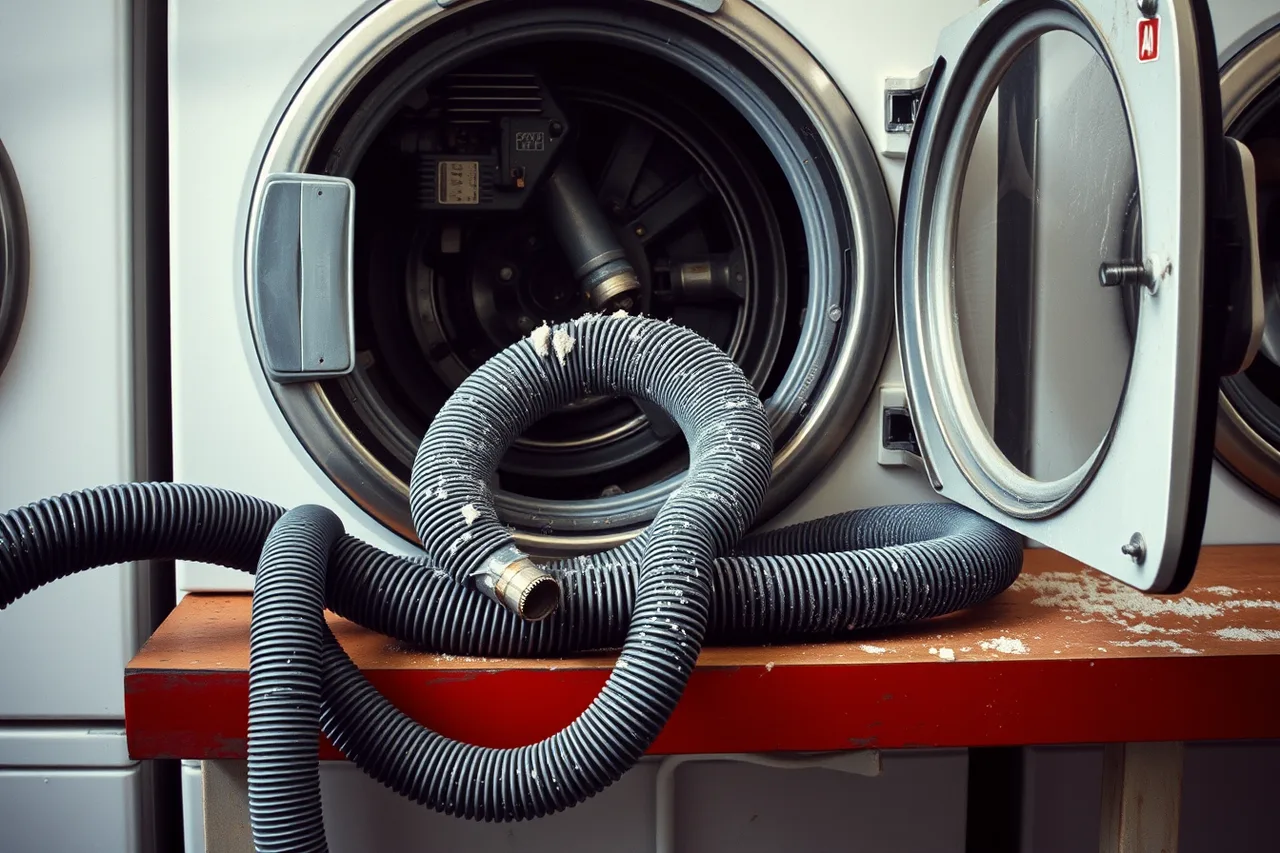
OSHA notes that unexpected startup or release of stored energy during servicing and maintenance can result in serious injury or death. The OSHA lockout/tagout standard requires employers to establish a program and procedures for affixing lockout or tagout devices to energy isolating devices.
After lockout and tagout, remove the top and rear panels and vacuum lint from the motor, drive belt and pressure switch tubing.
Annual panel work also crosses into electrical safety and ventilation rules. OSHA and NFPA compliance explains the machine room checklist.
What a missed reading costs
Owner-reported rates for an independent U.S. technician often run $95 to $170 per hour, with travel billed separately. These ranges are illustrative, but a drifting reading that nobody logged turns a quick fix into a missed schedule that is expensive.