
Guides
Laundromat site selection: what to check before you sign
A laundromat site selection guide: check water volume, drainage, gas service, electrical capacity, ventilation and local permits before signing a lease.
What to take away
- A storefront that suits a salon or a coffee bar can still fail as a laundromat because the building cannot deliver water volume, drain capacity or gas pressure at peak.
- Size the building from the machine count you intend to run, then check whether the service entrance, water main and drain line can carry it.
- Dryers need makeup air and exhaust; a sealed retail box will not dry clothes on schedule no matter how good the machines are.
- The Bureau of Labor Statistics publishes establishment and employment counts for laundry and drycleaning services, which is context for a market, not a substitute for a traffic count at the door.
- Permits and lease terms are part of laundromat site selection: the zoning or conditional use approval, the discharge permit, the mechanical permit, the certificate of occupancy, and the lease clauses that assign who pays for utility work.
- Confirm zoning, discharge limits and permit conditions with the local authority before you sign anything.
This article covers the operating side of choosing a laundromat site. It is general business information. It is not utility, plumbing, electrical, or gas advice. It is not wastewater, licensing, lease, or legal advice. Requirements follow the building, the machines and the jurisdiction, so use a licensed engineer, a licensed contractor and your local permitting office.
Water volume, not water pressure
A laundromat's water demand is the sum of every machine filling at once. A building with fine pressure at one tap can starve a bank of washers on a Saturday morning.
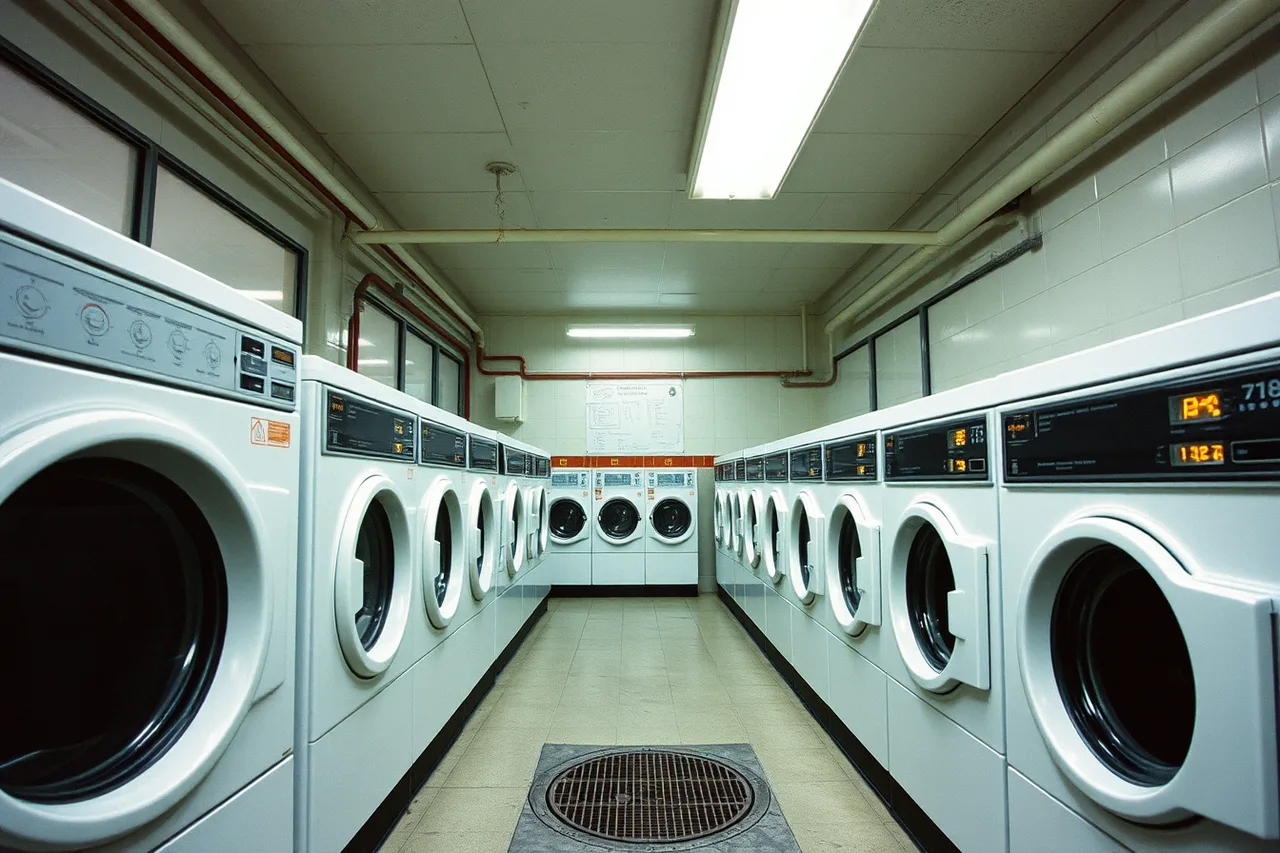
Ask the utility or the building engineer for the static pressure and the size of the service line entering the building, then compare that against the fill rate your machine schedule requires.
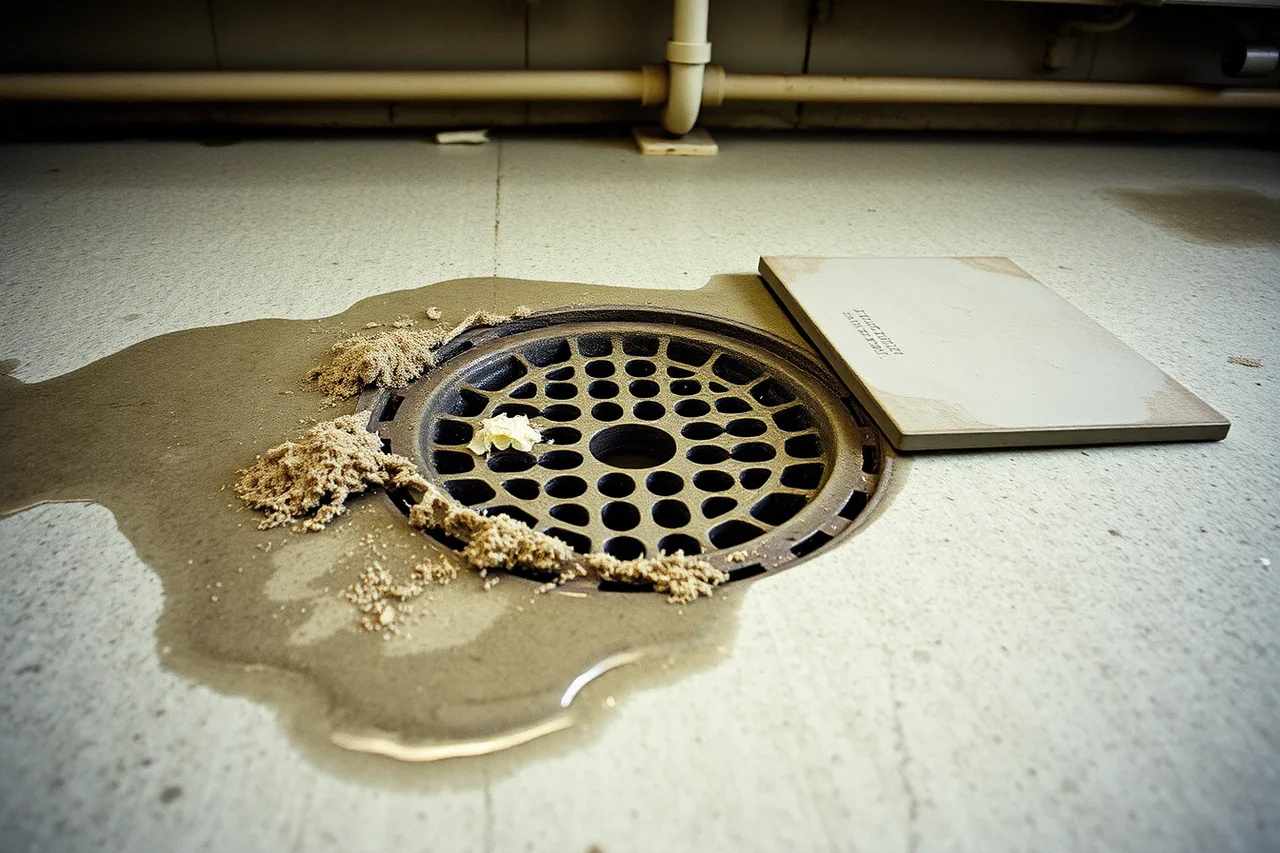
Washers discharge fast, and a floor drain sized for a mop bucket will back up under a row of machines.
The drain line, the grease or lint interceptor and the connection to the municipal sewer are all part of the same question: can this building move the water out as fast as the machines put it in?
Gas, power and the service entrance
Dryers dominate gas load. Add the input rating on each dryer's data plate and ask the gas utility for the meter's rated capacity at that address. A building with a small gas service may need a larger meter, a new line or a different dryer type, and that cost belongs in your offer, not in a surprise after closing.
Electrical service matters for the same reason. Total the nameplate amps of the washers, dryers, water heater and air conditioning you intend to install, compare that with the panel's rated capacity, and ask the utility for the transformer and meter capacity at the address. A 200-amp panel rarely carries a full laundromat, and the service upgrade is priced by the utility and the contractor, not by you.
Ventilation is the third leg. Dryers exhaust lint-laden air and pull replacement air from the room. If the makeup air cannot get in, the dryers run long, the room overheats and the fire risk rises.
NFPA 54 and NFPA 211 govern gas appliance installation and venting, and the local mechanical code sets the makeup air requirement. The dryer manufacturer's installation manual states the makeup air each model needs, and a licensed mechanical contractor sizes the room's intake to it.
Score the site on the numbers you can check
Score the site
| Check | What to ask for | Who confirms it |
|---|---|---|
| Water service size | Static pressure and service line diameter | Utility or building engineer |
| Drain capacity | Line size, interceptor, sewer connection | Licensed plumber |
| Gas load | Existing meter capacity, dryer demand | Gas utility |
| Electrical service | Panel size, available capacity | Licensed electrician |
| Makeup air and exhaust | Required CFM for the dryer count | Mechanical contractor |
| Zoning and discharge | Permitted use, sewer discharge limits | Local permitting authority |
Permits, discharge limits and lease terms
The regulated items on this checklist arrive as documents. Ask the local permitting office which of these apply at the address and get the application names in writing: a zoning permit or conditional use approval for a laundry use, a building or tenant-improvement permit for the buildout, a plumbing permit for the drain, interceptor and water line work, a mechanical permit for gas appliance installation and venting, and a certificate of occupancy for the finished space. Where pretreatment is required, the discharge limits and the permit come from the municipal sewer authority or the state environmental agency, not from the landlord or the seller.
The lease decides what you can actually do. Verify the use clause and permitted hours, exclusivity, CAM and tax pass-throughs, assignment and change-of-control terms, who repairs and replaces the water, gas and electrical service, who pays for a utility upgrade, any personal guarantee, and the renewal options. Get the landlord's written consent to pull permits and perform the work before you sign.
Accessibility belongs in the same check. The 2010 ADA Standards for Accessible Design cover the accessible route, the entrance, clear floor space at machines, folding tables and payment points, and reach ranges, and a storefront built for another trade often fails them. The cost of fixing access is part of the offer, exactly like a service upgrade.
Foot traffic and the market around it
Count cars and people at the hours you expect to be busy, not at noon on a Tuesday, and count on more than one day of the week. Laundromats draw from a short radius, so the useful numbers are households within a few minutes' drive, renters versus owners, and how many competing stores sit inside that same ring. The U.S. Census Bureau's American Community Survey gives household and renter counts by tract for that ring, the local planning or public works office publishes traffic counts for the corridor, and your own written tally of who entered and left the store during peak hours is stronger than either.
The BLS industry page at Drycleaning and Laundry Services: Industry at a Glance gives establishment and employment figures for the sector, which tells you how crowded the trade is nationally, not how crowded your corner is.
The SBA's "Start a Business" guide walks through planning, startup costs, permits, insurance and finance in the order most owners need them. The Justice Department's "ADA Guide for Small Businesses" explains barrier removal and accessible routes for existing facilities, which matters when the building predates the current standards.
Work through laundromat site selection before you make an offer, and bring the utility capacity answers with you.
Common questions
Three practical questions come up on every site visit. Answer them in writing before you make an offer.
Can I open a laundromat in a building that already has water and gas service?
Sometimes, if the existing service was sized for a similar load. A former restaurant or a car wash often has the water and drain capacity a laundromat needs. A former office or retail space usually does not, and the upgrade cost is the deciding number.
How much does a service upgrade cost?
There is no single figure. Get written quotes from a licensed electrician, a licensed plumber and the gas utility for the specific address, and ask each for the expected lead time from permit to completion. Treat those quotes and timelines as part of the purchase price. The arithmetic is simple: upgrade cost plus buildout plus equipment, weighed against projected revenue at your machine count.
What if the landlord will not allow the work?
That is a walk-away signal unless the lease assigns the work and the cost in writing. A laundromat cannot operate without adequate water, drainage, gas and ventilation, and no lease term changes what the building can physically deliver.